-
200963
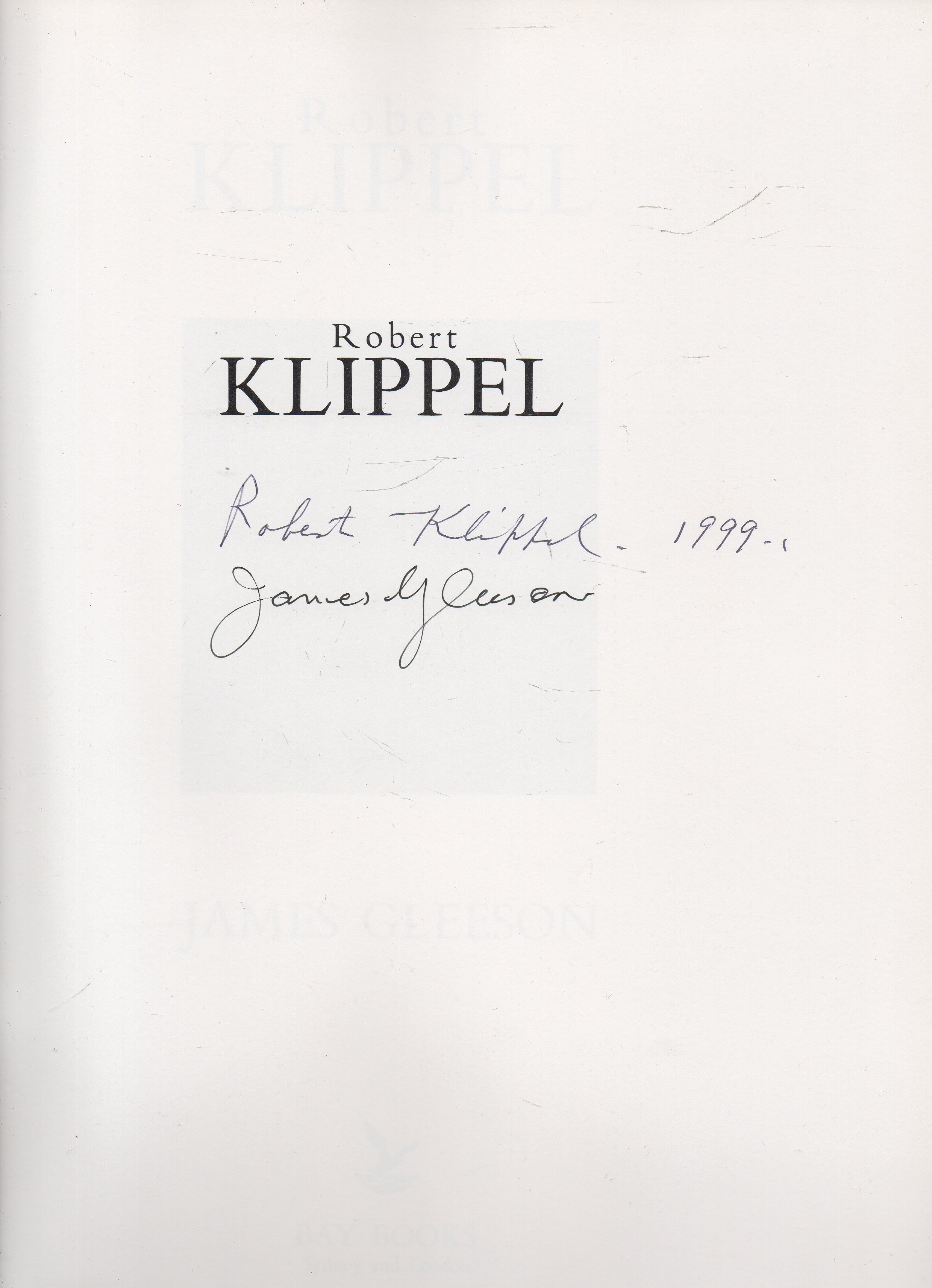
Gleeson, James
- Robert Klippel - signed
Bay Books, Kensington NSW, 1983.
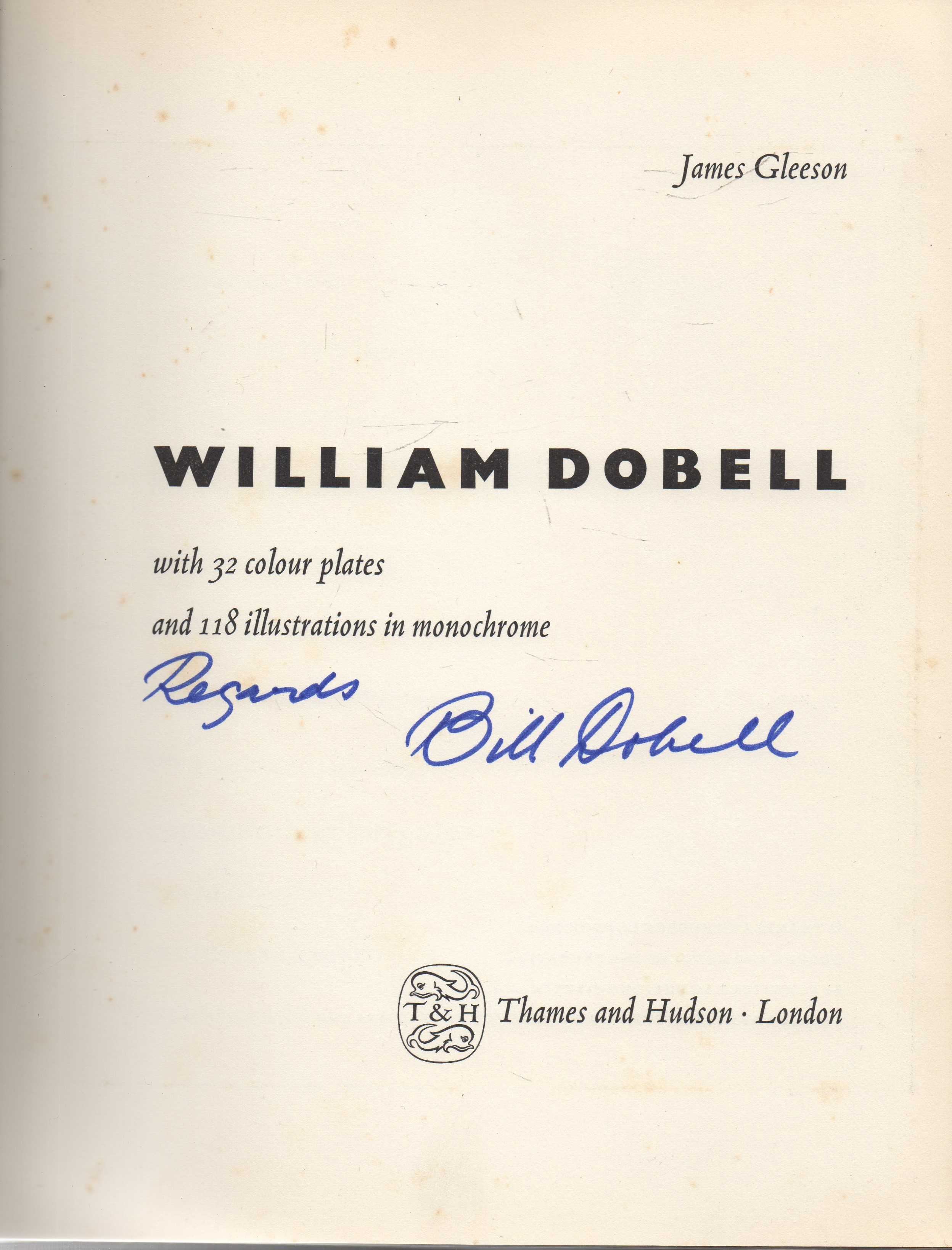
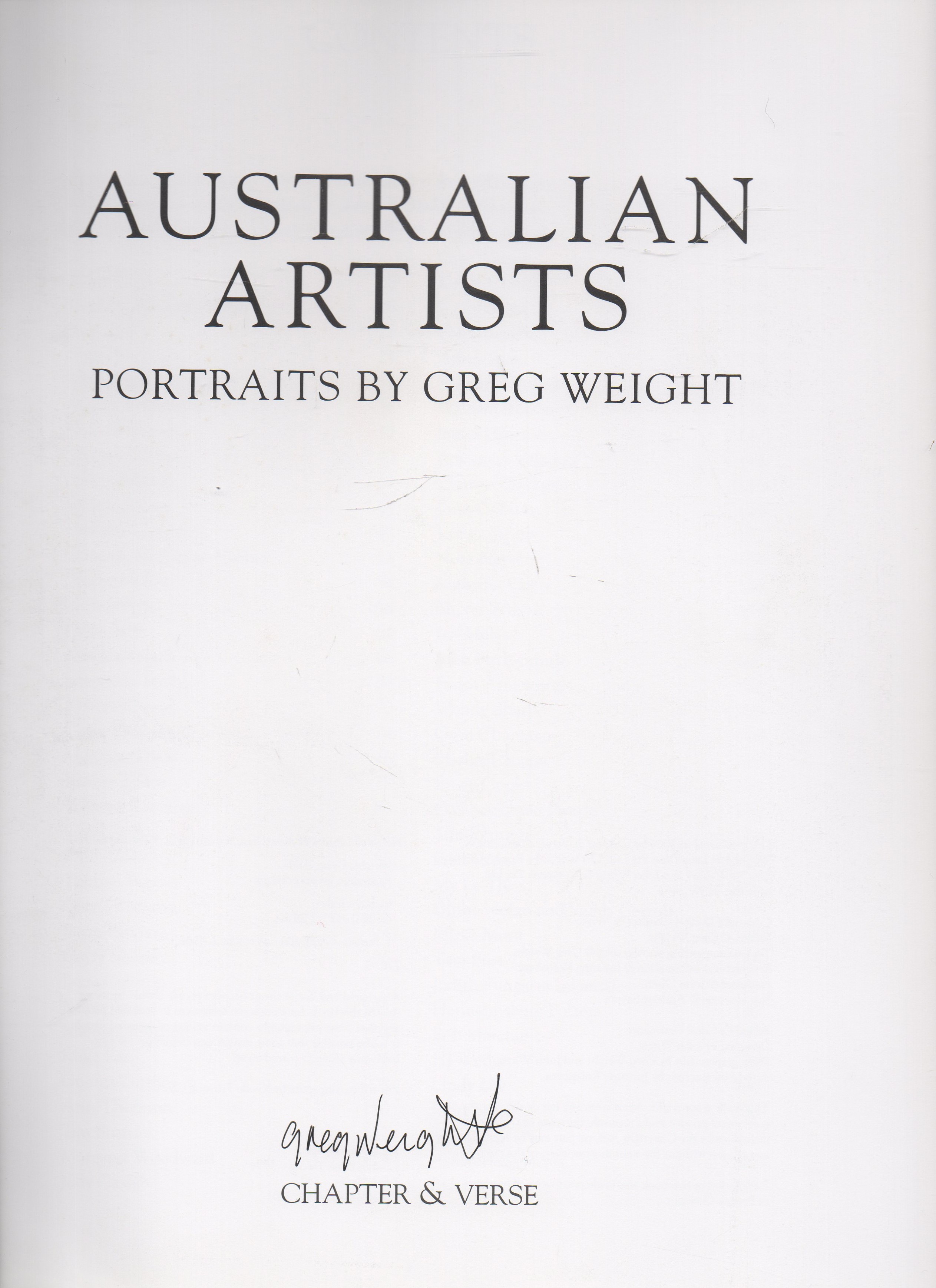
Quarto; hardcover, with an upper board decoration; 491pp., with many full-colour and monochrome illustrations. Minor wear; some minor marks to the text block fore-edge; numbered in ink to the limitations page; signed by the author and the subject in ink to the half-title page. Dustwrapper sunned along spine; now professionally protected by superior non-adhesive polypropylene film. Very good to near fine. This is number 80 of a limited edition run of only 100 signed copies. Each was originally accompanied by a 33cm-tall sculptural ornament cast in bronze by Klippel, but this is now missing from the present copy. "Sculpture for Klippel was not an independent genre. Drawings, collages and prints operated equally as educative tools and expressive means. Singular works and series in all media were investigations of variations on a theme, evincing a mind able to transform ideas across two and three dimensions, at one moment inventing forms in one media and other times foreshadowing in one media developments of work in another. The objective of seeking a shared vocabulary between nature and man set Klippel on a lifelong investigation of visual, formal and conceptual relations. Exhibitions in Sydney from 1951 indicated the maturation of his work: fantastical biomorphic drawings, assemblages of painted wood and new looping or constructive metal sculptures. They signal Klippel's long standing investigation and absorption of artistic traditions relevant to an art for contemporary times: surrealist conjunctions of contrasting forms, assemblage and the rational aesthetics of Constructivism, and more specifically aspects of the work and approaches of living and historical artists including Alexander Calder, Joan Miro, Jean-Paul Riopelle, Arshile Gorky, Picasso, Nicolas de Stael, Alberto Giacometti, David Smith, Richard Stankiewicz, William Turnbull and Paolozzi to list only a few. At the same time, the search for 'something more' beyond the conventions of art saw Klippel educate himself in areas of scientific knowledge such as microbiology, and aspects of physical and engineering science. By the 1960s, Klippel was at the forefront of the development of sculpture in Australia. Like his Australian peers, who included Clement Meadmore before leaving the country in 1963, and Inge King, Clifford Last and Lenton Parr (but without the support these latter artists offered each other in Melbourne), Klippel became an irrepressible creator of sculpture in an environment that did little to foster its development. Klippel's singular pursuit of a synthesis of instinctive and industrial forms was never mimetic, but extended across a vast stylistic range, from the minimal and monochrome to monumental. The product of an inventive energy, his sculptures in their individuality and sophisticated formal relationships evoked discrete references; architectural, machinic, totemic, anthropomorphic, botanical and sensual. As Edwards recently wrote 'His Neo-Platonic sense of an underlying order and his vitalist apprehension of 'life-energies' permeating all matter formed a dual conception shared by many artists of the mid twentieth century.' '' - Zara Stanhope.
Click here to order
$400
|
|