lamdha books -
Catalogue of books on the Blue Mountains

Click on the small images at right to see a larger picture

58339
Barrett, Jim
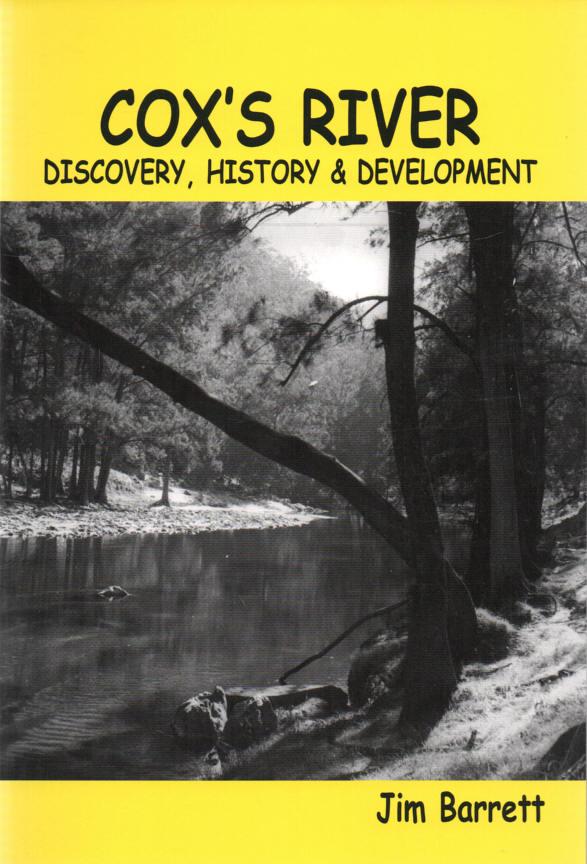
Cox's River Discovery, History and Development.
Neville Bush Holdings, Glenbrook, NSW, Australia, 2009.
Octavo; paperback; 117pp., with many maps and monochrome illustrations. New. Whilst outlining the history of the Kowmung River and the Burragorang region, author Jim Barrett realised that there was a need to document the history of the Cox's River into which drain three of the major rivers of the Blue Mountains area. The river and its valley were discovered by Blaxland during his trek over the Blue Mountains, but for various reasons, it was named after William Cox who built the road in his footsteps, much to Blaxland's chagrin. Barrett takes us from this point through the development of the surrounding region, noting its uses under indigenous husbanding and then during European occupation up until today. This includes the extensive flooding which was instigated in 1958 by the Sydney Water Board during the construction of the Waragamba Dam.
Click here to order

$15
42445
Barrett, Jim
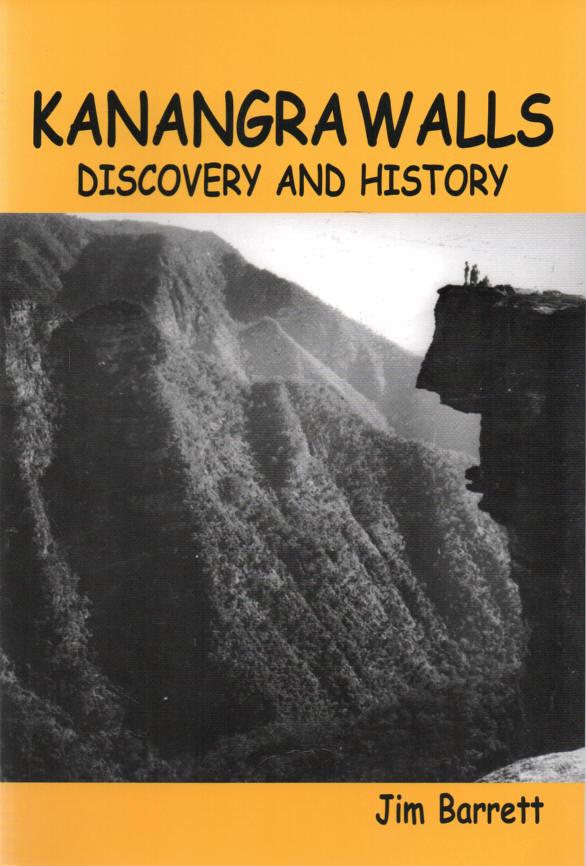
Kanangra Walls Discovery and History
Neville Bush Holdings, Glenbrook NSW, 2009.
Octavo; paperback; 58pp., with many maps and monochrome illustrations. New. Adding his voice to an ever-increasing community of people who claim that the Kanangra Walls are the most spectacular landscape in the country, Jim Barrett laments the fact that, despite being only a short drive from Sydney, the region is most often overlooked by visitors to the Blue Mountains. In this booklet he outlines the discovery of the area and reproduces some of the earliest maps of the Walls region, along with a plethora of photographs from across the years. From there he discusses walking trails and points of access to the Kanangra Walls, in the hope that it won't be the Blue Mountains' "forgotten destination" for too much longer.
Click here to order

$15
60301
Barrett, Jim
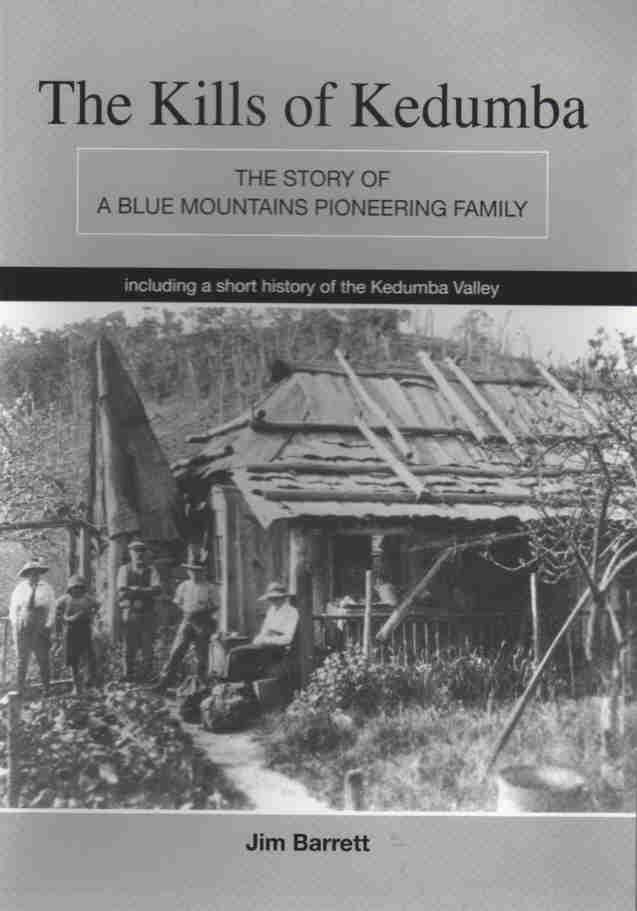
The Kills of Kedumba The Story of a Blue Mountains Pioneering Family
Neville Bush Holdings, Glenbrook NSW, 2008.
Octavo; paperback; 54pp., with many maps and monochrome illustrations. New. In 2005, Jim Barrett visited the area where settler George Kill built his farm on the banks of the Cox's River. Since 1960 and the flooding of the Warragamba Dam catchment area, only members of the Sydney Water Catchment Area (SCA) are allowed within the three kilometre exclusion zone promoted by the Authority. Accompanying George Kill's modern-day descendants, Barrett was chosen to document the settling and development of the region, instigated and largely led by the Kill family. George Kill emigrated to Australia from England in 1893; in 1900, he married Mary Ann Hunt, herself a descendant of the earliest convict settlers of the Burragorang district, and they retired to the Kill landholding to begin their married life. That life was documented by George in a journal which has become known as the "Kill Diary" and which forms the guide and the key to Barrett's investigation of the life and progress of the family. Needless to say, that lifestyle was hard in the extreme, a subsistence living which involved grubbing for cedar and droving bullocks through the harsh terrain. Including a short history of the Kedumba Valley, this story is a fascinating glimpse into the lives of the earliest Blue Mountains settlers.
Click here to order

$15
58340
Barrett, Jim
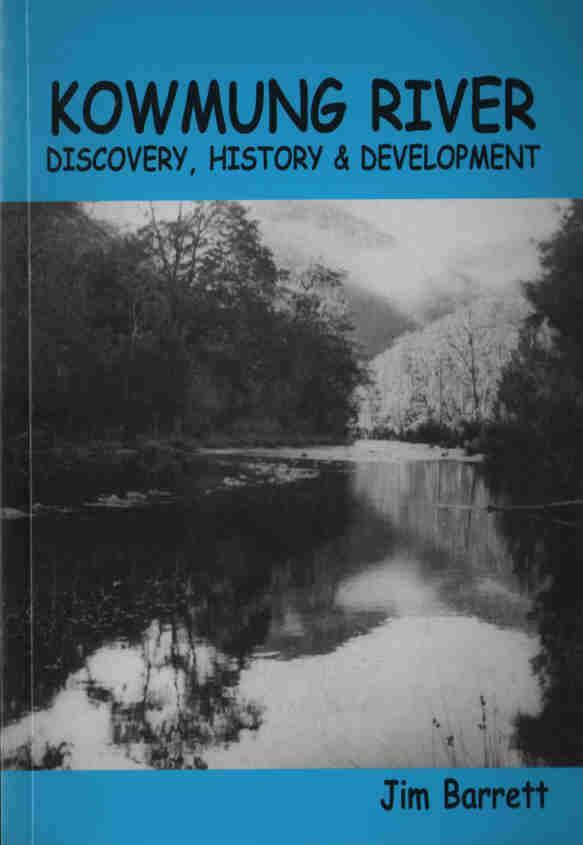
Kowmung River Discovery, History and Development
Neville Bush Holdings, Glenbrook, NSW, Australia, 2009.
Octavo; paperback; 86pp., with many maps and monochrome illustrations. New. The Kowmung river has its start south of the Jenolan Caves area where it traverses wild and rugged country, passing through plateaus of over 4,000 feet in height before joining Cox's River at its headwaters. The first white man to see the Kowmung was Francis Barralier in 1802, followed by George Caley in 1806; but it wasn't until 1833 that W.R. Govett finally succeeded in surveying the entire area, including the Kowmung, especially the lower 24 mile stretch. Aboriginal assistants to these exploring parties have contributed to some confusion regarding the naming of the river, but then again, none of the early mappers were accompanied by the local Gundunggurra tribespeople for whom the river is known as the Barnalay. In 1833, H.C. White named the river Kowmung after questioning his Dharug and Tharawal guides, and this name may have been either their own term for what the Gunduggura called Barnalay, or their own tribal word for the Cox: the real reason is lost in time. In the years since then, the river has been the site of cattle speculation and various attempts to forge stock routes; the logging range of cedar cutters; and the location of limestone mines. Nowadays it is best known for its spectacular bushwalking possibilities, most of which are attempted only by the very experienced.
Click here to order

$15
91770
Barrett, Jim
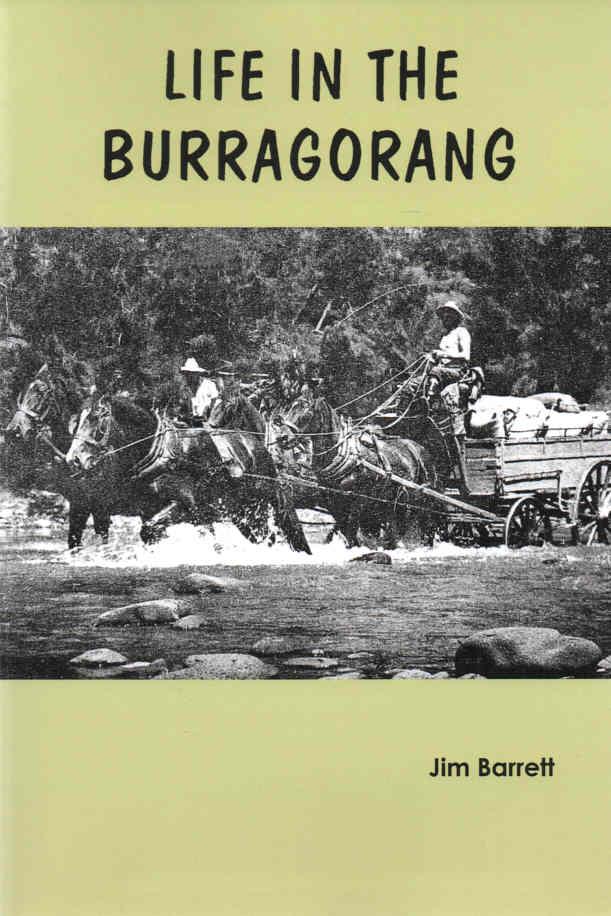
Life in the Burragorang
Jim Barrett, Glenbrook, NSW, Australia, 2016.
Revised edition. Octavo; paperback; 122pp., with many maps and monochrome illustrations. New. With this title, Jim Barrett tries to make up for an oversight which he made in his earlier title, "Shack Country and the Old Burragorang". In that book, Barrett declares, any references to the Burragorang people and the surrounding landscape were supplemental to the work's main issues and he saw the passing out of print of that book as an opportunity to redress the oversight. The Burragorang region, which was mostly flooded when the Waragamba Dam construction was completed, was an area of relative isolation, canyoned in as it were by unrelenting walls of stone. Barrett argues that this isolation, while still only 60 miles from the heart of Sydney, informed the lifestyle of all who lived there. Escaped cattle seems to have been the first to drive through the gorges of this terrain and break through into the west, followed by settlers who - for reasons that are all too obvious - kept the nature of these trails a secret. Life in the Burragorang was hard and frugal, a living eked out of a grudging soil and an uninviting bushland; that a community of individuals grew there and prospered is cause to declare them special people and to laud their history.
Click here to order

$15
57840
Barrett, Jim
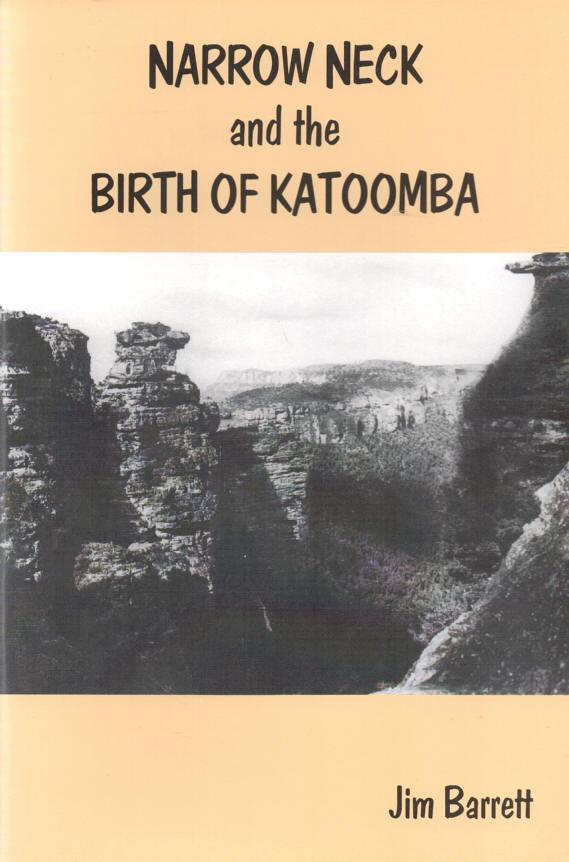
Narrow Neck and the Birth of Katoomba
Jim Barrett, Glenbrook, NSW, Australia, 1996.
Octavo; paperback; 64pp., with many maps and monochrome illustrations. New. Prior to 1874 there was nothing at Katoomba except for a railway siding known as "The Crushers", after the rock crushing equipment that was situated nearby. In the period 1879 to the late 1880s, John Britty North, a local engineer, made an extensive survey of the landforms which comprised Orphan Rock and Narrow Neck, and found deposits of shale oil and coal beneath them which opened up the possibility of profitable industry in the region. In this evaluation, Barrett makes the claim that without this early mining endeavour, Katoomba might not have risen to the prominence that it enjoys to this day, citing such developments as the Scenic Railway, which grew out of the old shale coal transport bucket system used to bring the ore up from the valley floor. This is an insightful short history of the town which links its foundation and development to the presence of those early mines and the people who worked them.
Click here to order

$15
94774
Barrett, Jim
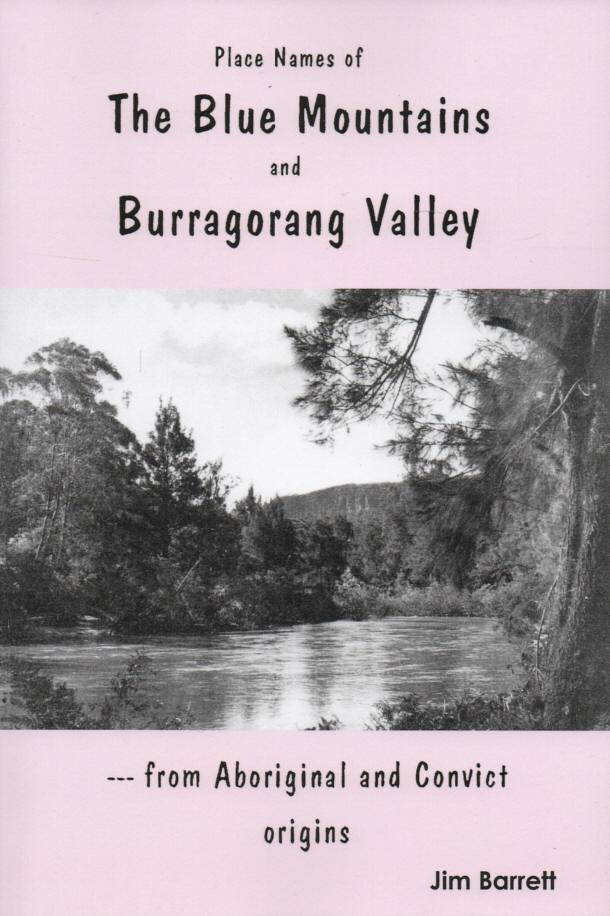
Place Names of the Blue Mountains and Burragorang Valley ... from Aboriginal and Convict Origins
Neville Bush Holdings, Glenbrook NSW, 2016.
Reprint: octavo; paperback; 117pp., with many maps and monochrome illustrations. New. The naming of locations in the Greater Blue Mountains region has been a haphazard affair comprising the emotional remembrances of convict settlers and misheard or mistranscribed Aboriginal dialectical references. Formalised on maps by Sir Thomas Mitchell (Surveyor-General 1828-1855) and Myles Dunphy (in the post-1932 years of codification) much of the meaning behind the origins of these names was in danger of being lost. To this end, Jim Barrett has put together this wide-ranging catalogue which aims to pin down as much material as possible - both indigenous and from white sources - to preserve the links of nomenclature that bind all those who dwell in and who visit the region.
Click here to order

$15
42446
Barrett, Jim
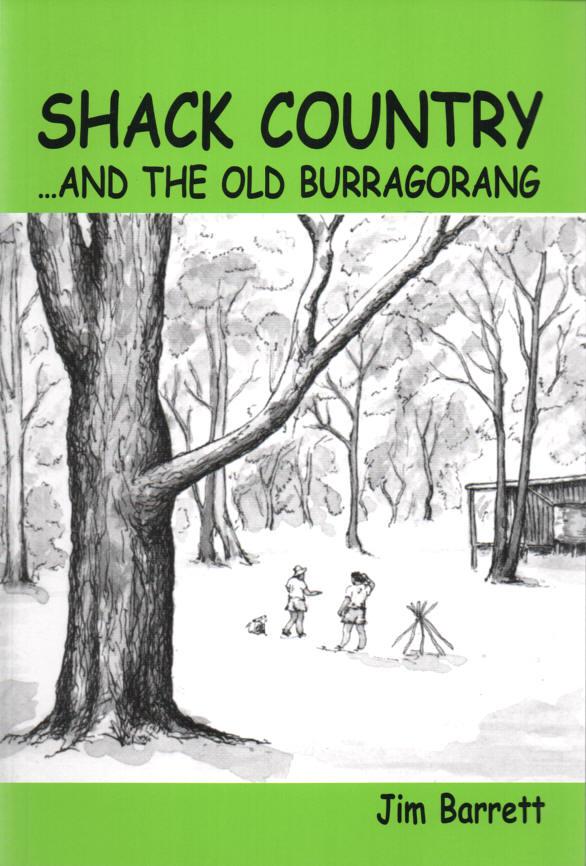
Shack Country ... and The Old Burragorang
Guntawang Catholic Youth Centres, Emu Plains, NSW, Australia, 2009.
Octavo; paperback; 80pp., with maps and monochrome illustrations. New. For some 150 years, from the 1820s to the 1950s, the Burragorang Valley lay in idyllic solitude, virtually on the outskirts of Sydney. Part One of this book is the story of five priests from Sydney who acquired Kiaramba, 174 acres on Scott's Main Range, in 1940 and who built a shack there as a retreat from their parochial duties. The flooding of the Burragorang as part of the Warragamba scheme seemed to spell the demise of Kiaramba, but the emergence of the Catholic Bushwalking Club gave it new life. Part Two is a nostalgic look back on the Old Burragorang.
Click here to order

$15
61562
Barrett, Jim
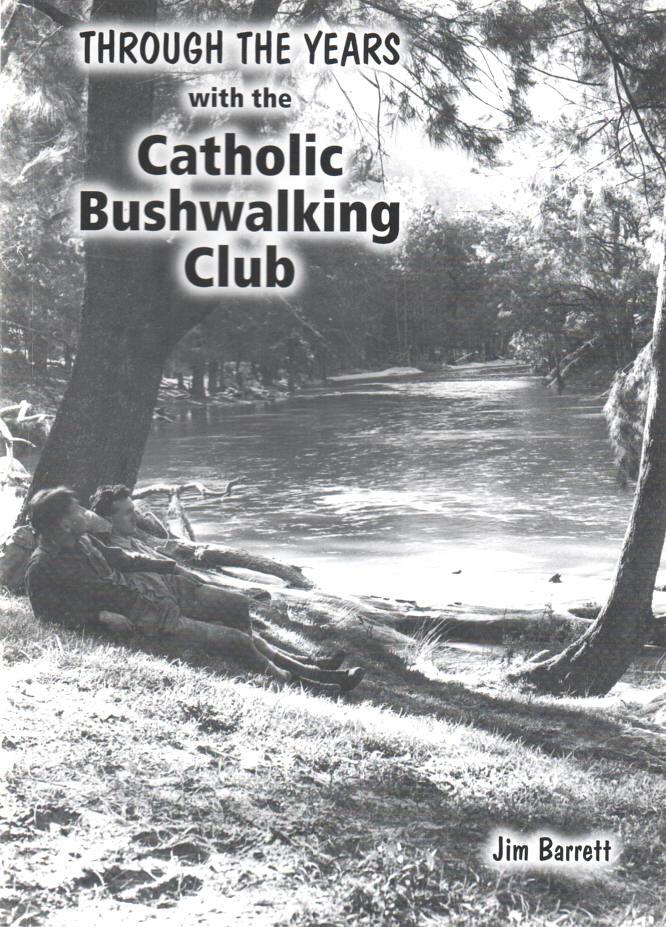
Through the Years with the Catholic Bushwalking Club
Catholic Bushwalking Club, Strathfield, NSW, Australia, 2008.
Quarto; paperback; 114pp., with many maps and monochrome illustrations. New. The Catholic Bushwalking Club (CBC) was established at the end of the Second World War as a community and pastoral organisation under the oversight of an appointed chaplain. Under the direction of its Walks Secretaries (including, at one time, the author), much exploration of the surrounding bushland was undertaken with an aim to training club members in the skills of endurance, confidence, self-reliance and leadership. The range of exploration and trekking that the Club has undertaken is faithfully recorded by Barrett in these pages, showing the dedication and doggedness of the CBC members over some unforgiving and downright unfriendly terrain.
Click here to order

$15
42444
Barrett, Jim
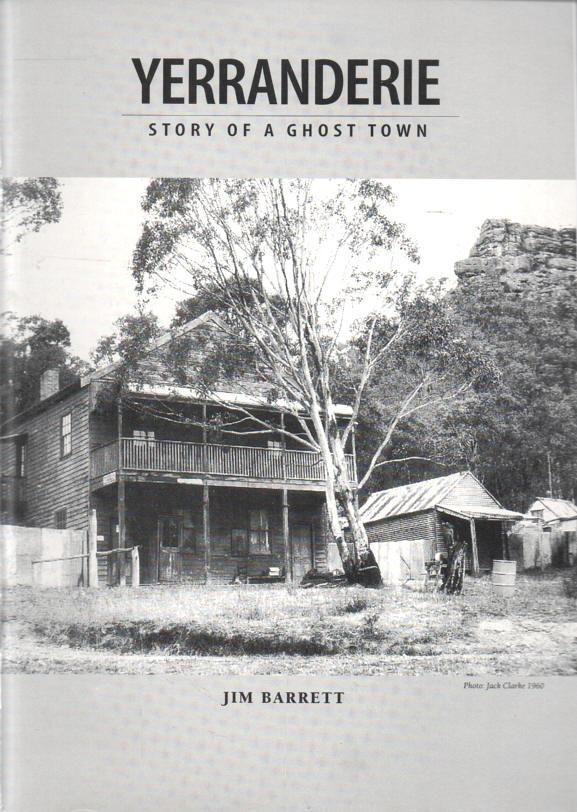
Yerranderie Story of a Ghost Town
Jim Barrett, Glenbrook, NSW, Australia, 2005.
Octavo; paperback; 72pp., with many maps and monochrome illustrations. New. Between 1890 and 1950, the township of Yerranderie was a booming miners' town, bringing up silver and lead from within the earth. In those days it was a major thoroughfare and a hive of commercial activity; however, when the boom ended, like many such communities predicated on a finite resource, its days were numbered and the long slide into obscurity began. Nowadays, Yerranderie is a hive of another type of activity, one that is much kinder to the environment: from trails that start at such diverse points as Kanangra Walls, Katoomba and Mittagong, the bushwalking and trekking community have dragged this sleepy ghost town back from the brink and have made it a centre for nature walkers and campers. Within these pages is the complete story of this much overlooked hamlet on the shores of Lake Burragorang in the southern Blue Mountains.
Click here to order

$15
79133
Cameron, Bruce
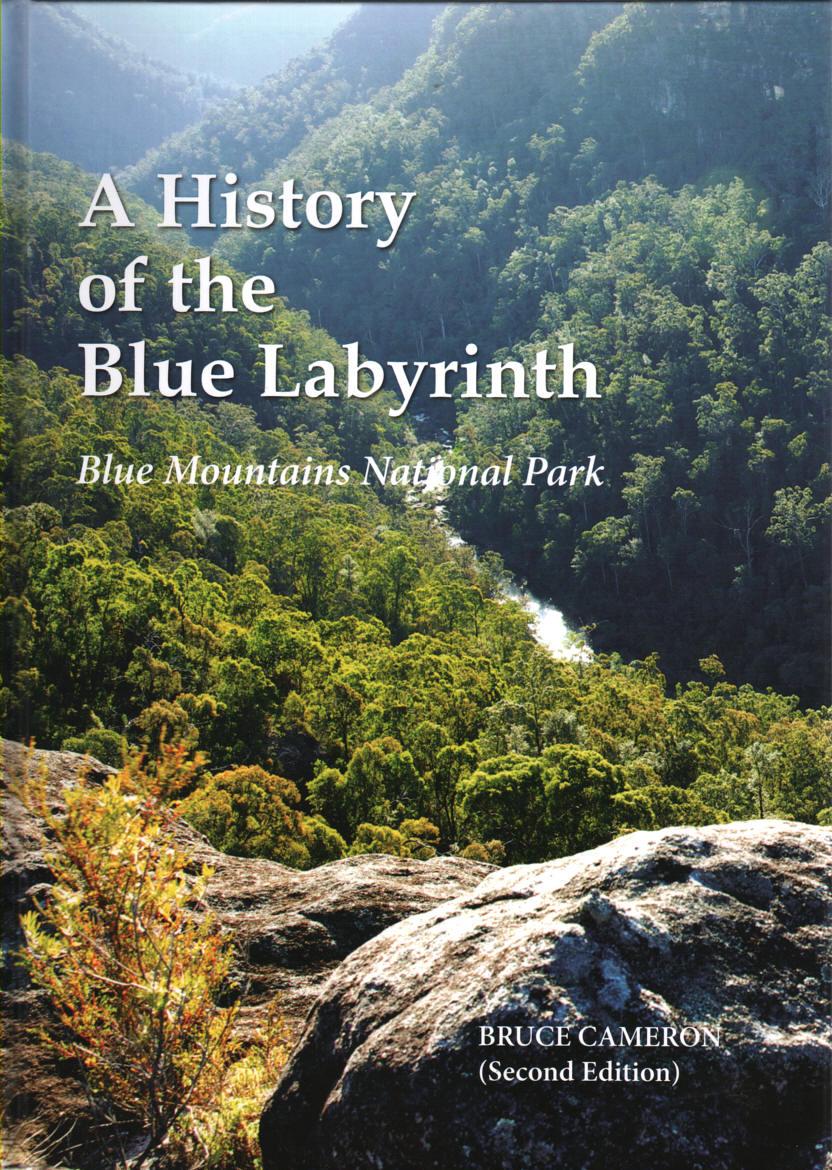
A History of the Blue Labyrinth: second edition Blue Mountains National Park
The author, Sun Valley, NSW, Australia, 2014.
Quarto; hardcover, with illustrated boards; 352pp., with many monochrome and full-colour illustrations. No dustwrapper as issued. New. "As we destroy our bush land environment we destroy just so much of ourselves. The balance of Nature is finely adjusted; upset it, and there will a desert on our doors. All the glory of the canyons, caves and rolling plateaus of our great Blue Mountains is not nearly so much a commercial asset as it is Nature's Heritage for legitimate enjoyment, and our own gift to posterity." - Katoomba Daily, 1934. From this prescient statement the current volume springboards its history of the Blue Mountains National Park, covering all aspects of the establishment and development of the "Blue Labyrinth" from the earliest days. Anyone interested in the history of the region should think of this work - now in a new updated edition - as their first port of call.
Click here to order

$65
85501
Goldney, David
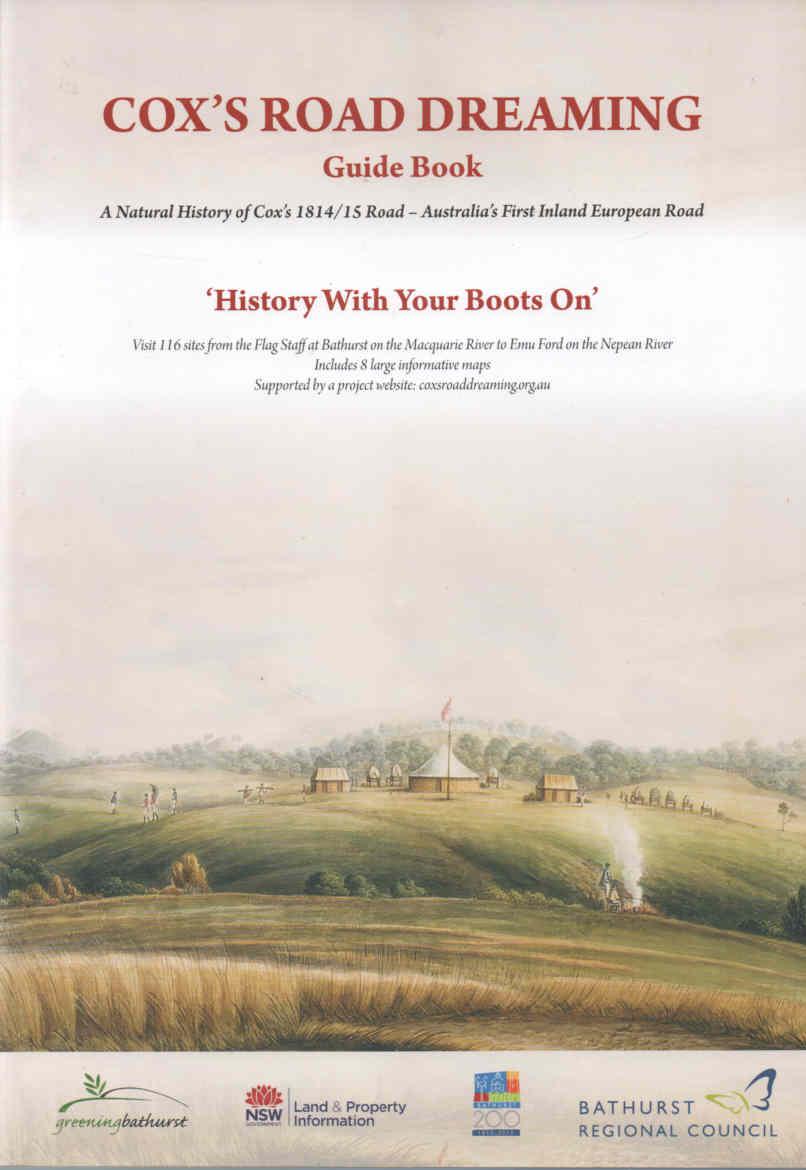
Cox's Road Dreaming Guide Book A Natural History of Cox's 1814/15 Road - Australia's First Inland European Road
Land and Property, Bathurst, 2015.
Quarto; paperback; 96pp., with many colour and monochrome illustrations, and eight maps on three separate fold-out sheets in a plastic envelope. New. In the years 1814 to 1815, Lt. William Cox pushed a road across the Blue Mountains in the wake of Blaxland, Lawson and Wentworth's controversial traversing of the "impenetrable" barrier. In doing so, he created the first European inland road in Australia, and set the scene for those about to follow. In this work, David Goldney turns a gimlet eye on all things to do with Cox's Road, creating for readers a broad tapestry of investigation. Nothing escapes him: scenic and historical sites; museums and galleries; areas of importance to the land's traditional owners; and the ranges of some well-known wildlife. If they lie along the line from the Flag Staff on the Macquarie River to Emu Ford on the Nepean, it will be mentioned in this book and its eight accompanying maps - along with map co-ordinates and estimated travel times. And if that wasn't enough, the material is all backed up by a website providing updated and further information. This is Cox's Road Dreaming indeed!
Click here to order

$35
85006
Knapman, Leonie
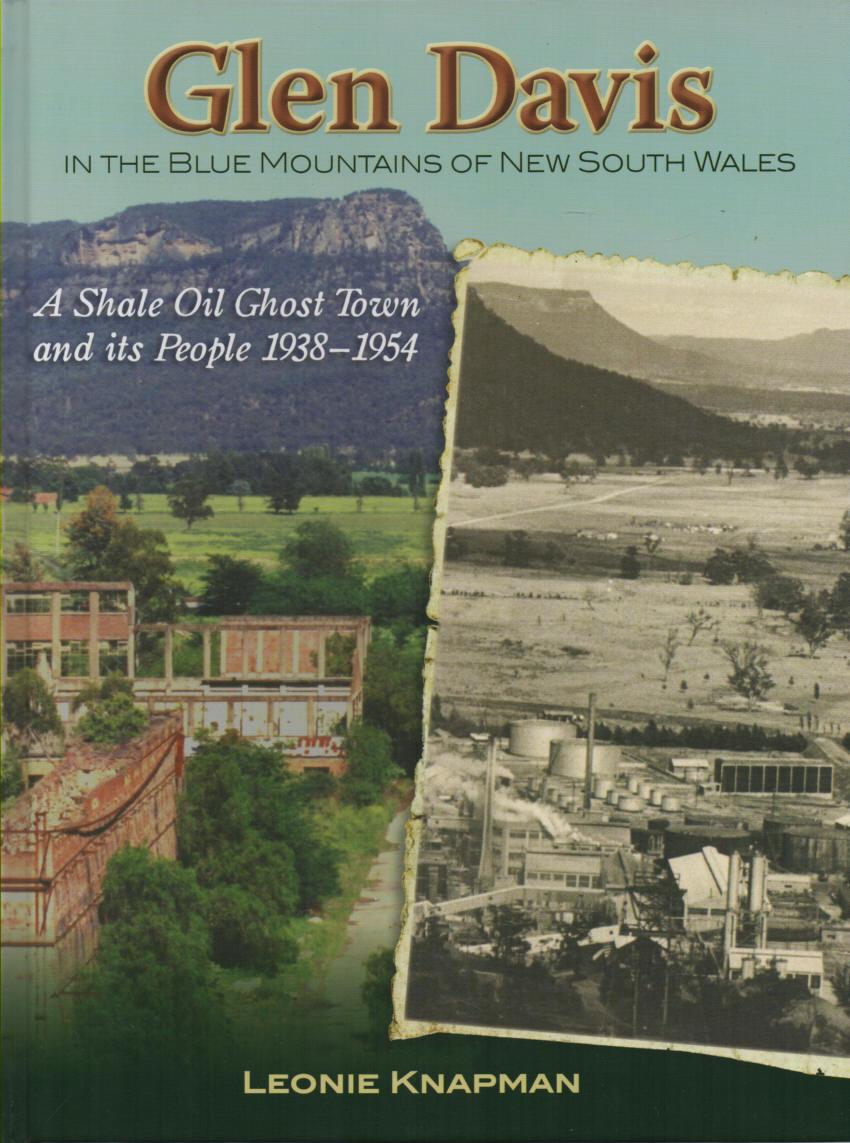
Glen Davis in the Blue Mountains of New South Wales A Shale Oil Ghost Town and its People 1938-1954
Halstead Press, Ultimo, NSW, Australia, 2010.
Quarto; hardcover, with illustrated boards and endpaper maps; 270pp., with full-colour and monochrome photographic illustrations. New. The town of Glen Davis nowadays is a ruin, a ghost town nestled and forgotten within the remote Capertee Valley. However, 60 years ago it was a bustling hive of activity, the home and livelihood of thousands of miners, industrial chemists, engineers and their families, and the businesses which supported their lifestyle. Built upon one of the richest oil-shale deposits in the world, Glen Davis was, at one time, the backbone of Australia's pioneering industrial infrastructure. Over time though, federal policy shifted and pushed the town into the shadows; wartime restrictions and rationing brought the death knell and the settlement was abandoned by those who felt that they had been as equally abandoned by the economic counsellors of their day. This is the complete history - social, industrial and political - of this lost town by someone who knew the place and grew up there as one of its citizens.
Click here to order

$50
205515
Knox, Kelvin, & Eugene Stockton (eds.)
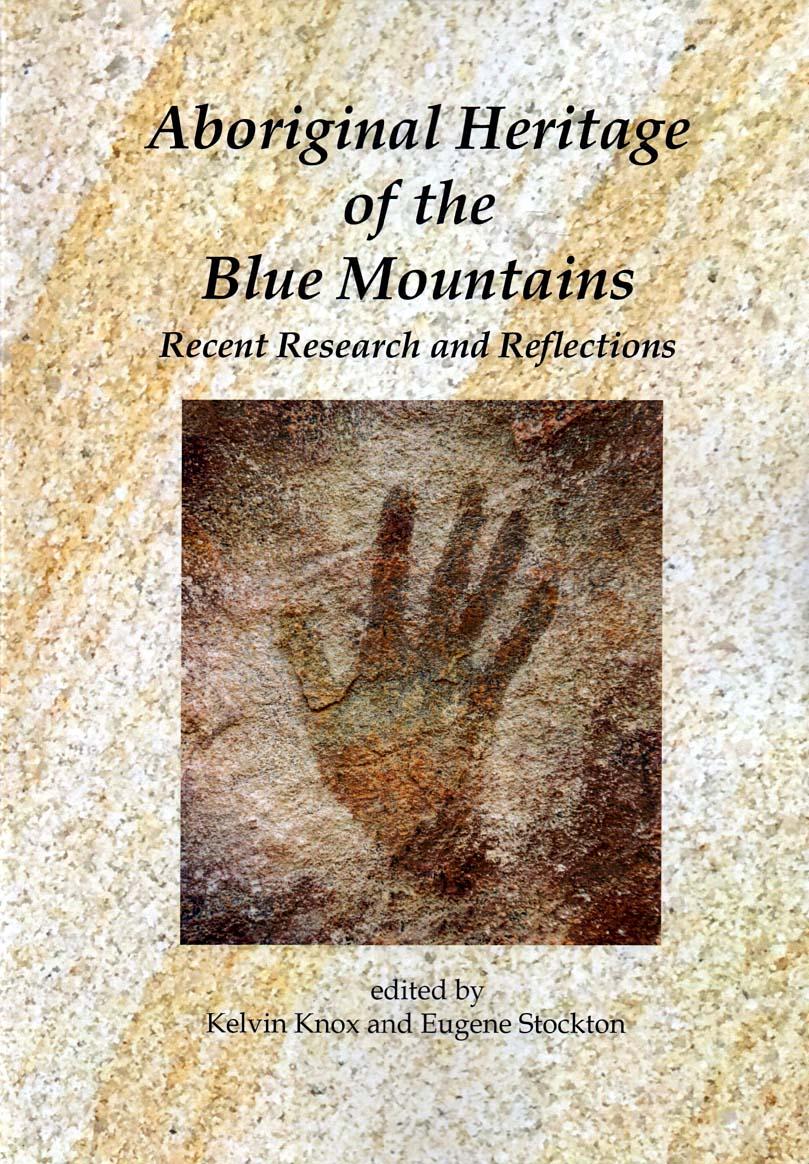
Aboriginal Heritage of the Blue Mountains Recent Research and Reflections
Blue Mountains Education and Research Trust, Lawson NSW, 2019.
Quarto; paperback; 256pp., with maps and many monochrome and full-colour illustrations. New. People have inhabited Australia for thousands of years. At the foot of the Blue Mountains, New South Wales, human occupation is dated at up to 50,000 years ago. In 1788, the way of life for Aboriginal people living in the Mountains irrevocably changed. However, their cultural heritage, handed down from ancient generations, has remained in the form of occupation sites, art, artefacts, axe-grinding grooves, scarred trees, stone arrangements and other physical traces of their presence in the landscape. "Aboriginal Heritage of the Blue Mountains" gathers together some new research, stories and reflections about the Mountains' Aboriginal inhabitants and their heritage, perhaps what could now be understood as Australia's shared heritage.
Click here to order

$50
10592
Macqueen, Andy
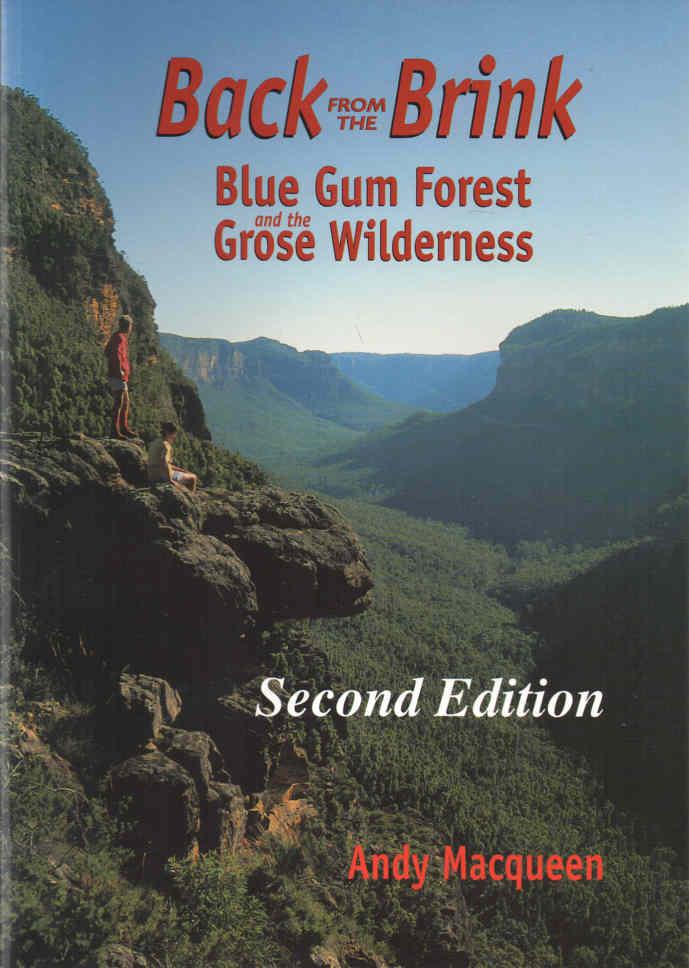
Back from the Brink: second edition Blue Gum Forest and the Grose Wilderness
Andy Macqueen, Wentworth Falls, 1997.
Quarto paperback, 347pp, monochrome illustrations. New. The forest stands as the Cradle of Conservation in New South Wales. This is its story from when it was first reserved in 1875 as a national spectacle, the threats to its existence and those who have preserved and been part of it.
Click here to order

$40
11199
Macqueen, Andy
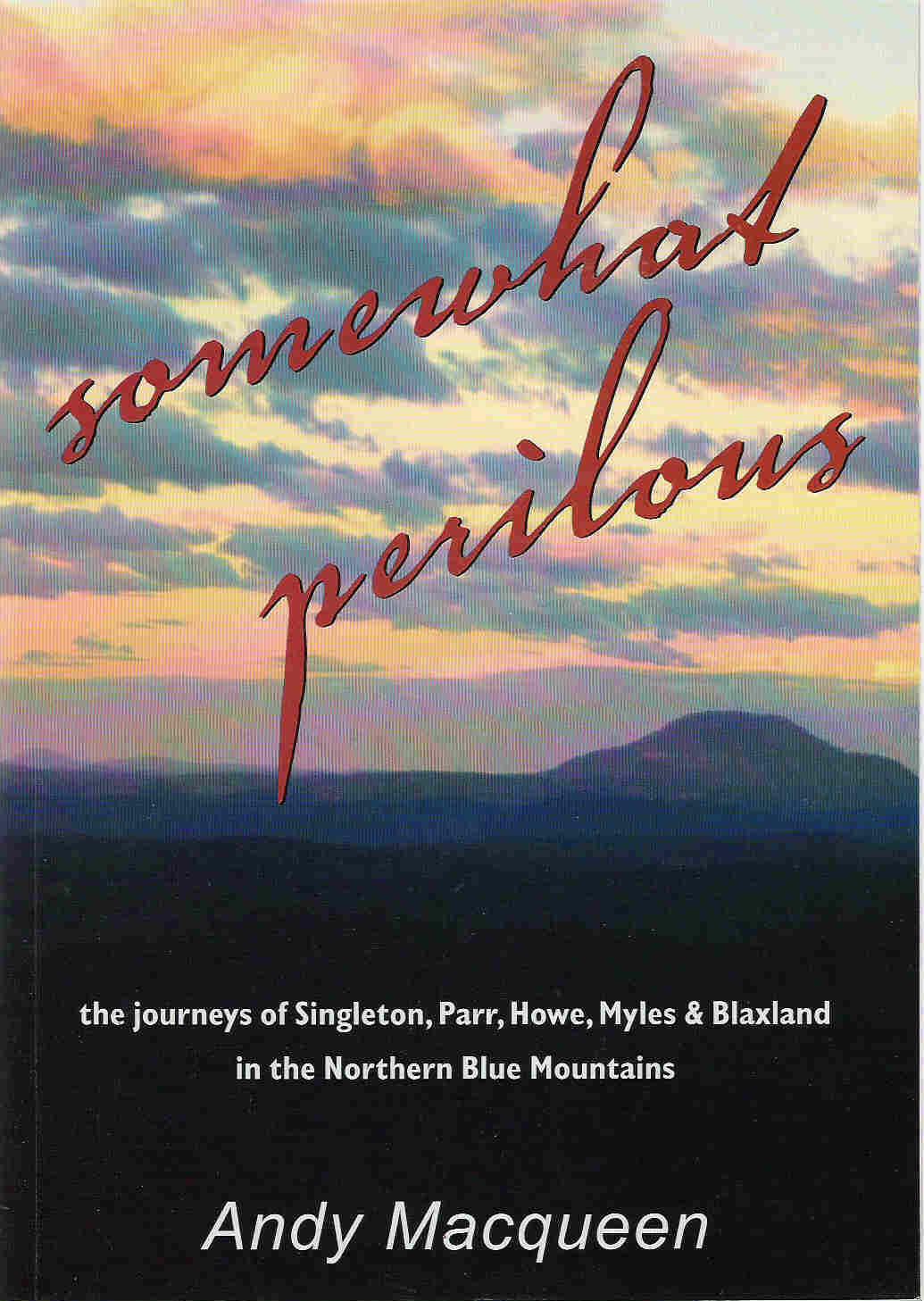
Somewhat Perilous The journeys of Singleton, Parr, Howe, Myles & Blaxland in the Northern Blue Mountains
Andy Macqueen, Wentworth Falls, 2004.
Quarto; paperback; 192pp., with many maps and monochrome illustrations. New. After crossing the Blue Mountains, explorers set out to find other approaches not only to the far side but to northern expansions of the white settlement, to Windsor, north to the Hunter Valley, and to the opening territories around Newcastle. In this work, Macqueen provides a full transcript of the explorers' journals and letters and determines a range of facts which overturn several previously-held notions, while simultaneously shedding light on some heretofore unconsidered material, including indigenous burning regimes and bushfire maintenance. This is a thoughtfully-considered study, penned by a descendant of the men involved in this "somewhat perilous" undertaking.
Click here to order

$30
98352
Macqueen, Andy
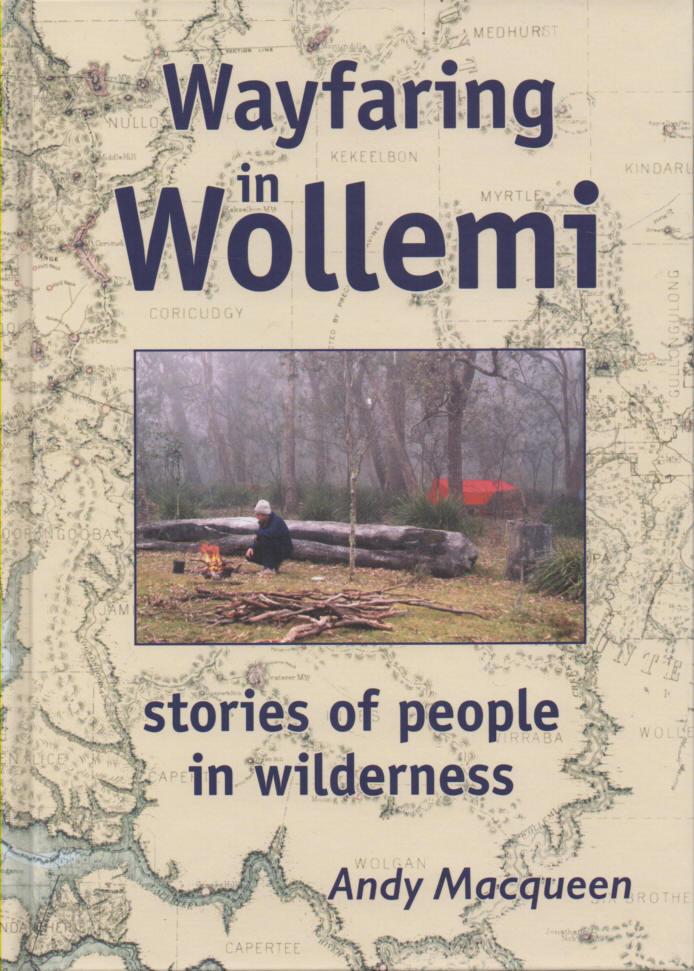
Wayfaring in the Wollemi Stories of people in wilderness
Andy Macqueen, Wentworth Falls, 2017.
Quarto; hardcover, with illustrated boards and endpaper maps; 352pp., with many maps and monochrome illustrations. No dustwrapper, as issued. New. Wayfaring in Wollemi celebrates the human side of wilderness. It presents the stories of 28 people: colonial explorers and surveyors, wanderers, cattlemen, would-be developers, adventurers and conservationists. For one reason or another they each spent a part of their life in the Wollemi, the largest declared Wilderness in New South Wales. What took them there and what did they get up to? Did the experience change their lives? In telling their stories, the author follows their footsteps through the gorges, over the mountains and into the hideaways. Along the way he weaves some of his personal story, revealing how he, like many of his subjects, has been touched by a landscape largely unaffected by transient modern society
Click here to order

$40
203676
Painter, Keith
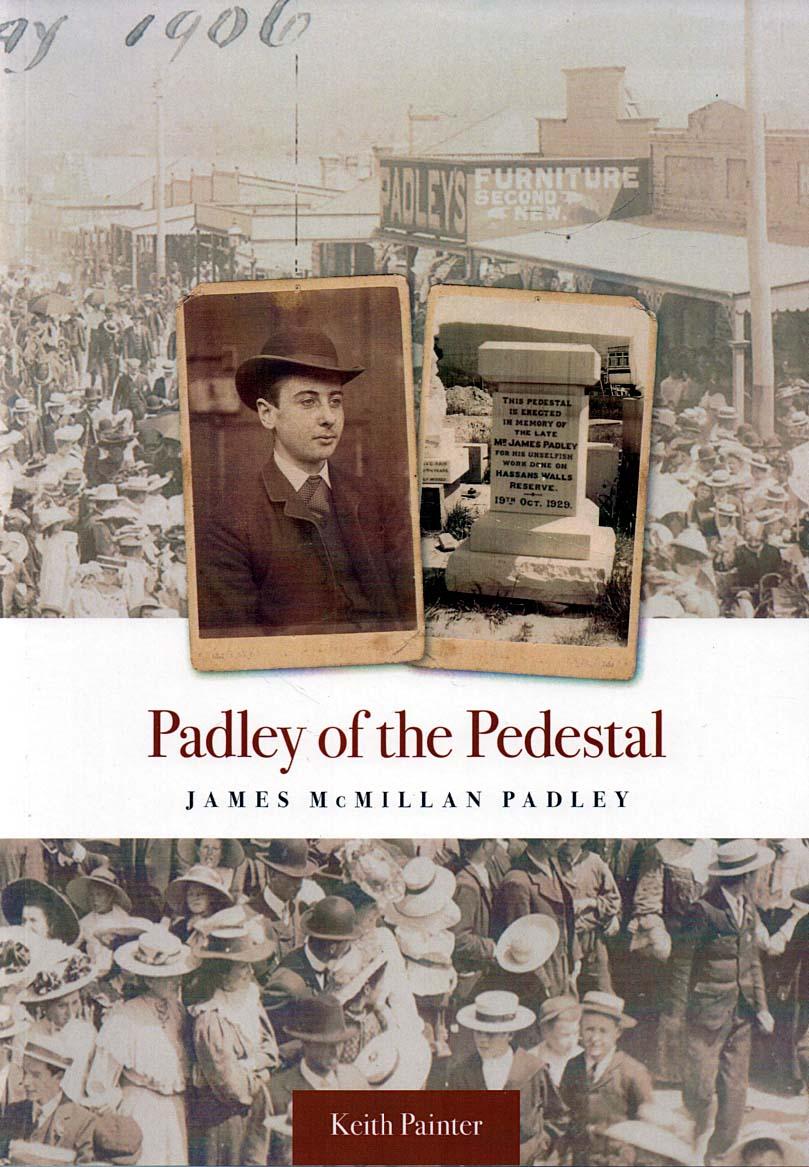
Padley of the Pedestal James McMillan Padley
Mountain Mist Books, Raglan NSW, 2018.
Quarto; paperback; 208pp., on coloured stock, with many colour and monochrome illustrations. New. Special price. "This book is more than just a biography. Within its pages over 500 photos, news clips, documents, maps, and transcripts will take you on a journey with the Padley family from 1801 Yorkshire, England, through the Victorian gold rush at Castlemaine, followed by the heady days of Melbourne's boom years, then 'home' to England. But the great Southern land of opportunity called the family back in the 1880s. For James there were shop ventures in Sydney, Windsor, and northern NSW, followed by a ten-year yo-yo relationship with Windsor, finally settling in Lithgow in 1902. Here he put down roots and was soon the driving force in the Lithgow Progress Association and the chief instigator of the development of Hassan's Walls. He left his mark on Lithgow in many ways..." - from the blurb.
Click here to order

$30
58915
Pembroke, Michael (Libby Raines, illus.)
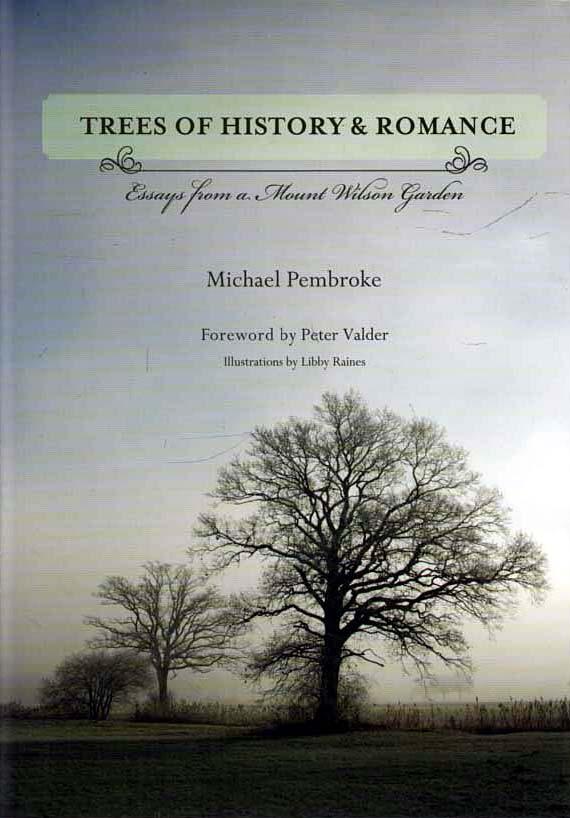
Trees of History and Romance - signed Essays from a Mount Wilson Garden
Bloomings Books Pty. Ltd., Melbourne, Vic. Australia, 2013.
Third edition: octavo; hardcover; 266pp., with many duotone illustrations. Dustwrapper professionally protected by superior non-adhesive polypropylene film. New. The author's subjects are the deciduous trees and conifers thriving in the cool-climate, basalt soil and altitude of Mount Wilson. He draws from history, literature, poetry, mythology, botany, and folklore to meditate upon a deeply felt connection with the land and its nature.
Click here to order

$40
204738
Smith, Jim
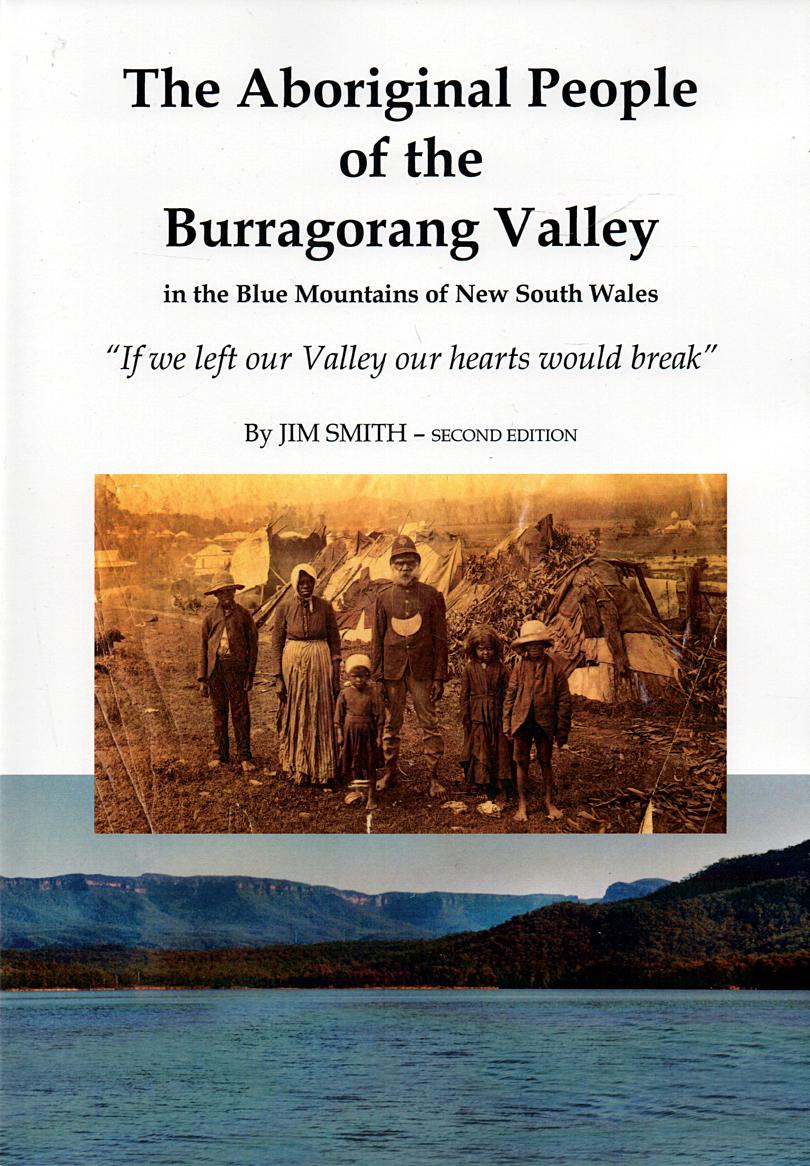
The Aboriginal People of the Burragorang Valley: revised, second edition "If we left the Valley our hearts would break"
Blue Mountains Education and Research Trust (BMERT), Lawson NSW, 2018.
Revised and expanded: Quarto; paperback; 340pp., with maps, 198 full-colour and monochrome illustrations and index. New. "Burragorang Valley is unlike any other place in Australia. Every part of Aboriginal land was touched by invasion, and Gundungurra Country was no different. Some areas experienced violent conflict, or were almost immediately wiped out by sicknesses that native immune systems could not cope with. Some communities were flushed out by sending Aboriginal people to missions and alternate settlements to make way for 'progress' and 'colonisation'. Burragorang was different, and this is what made the Valley so special. The black and white people lived together in relative harmony. The patchwork of my heritage is one of many colours, and I am proud of each and every black and white relative who lived and worked in the Valley. Jim Smith captures the beauty, and also the fiery will and perseverance of the Valley's people, living through some very tough times. Burragorang Valley bred strong and formidable, hard-working people who didn't want to leave the Valley as my family were forced to do when the Dam was built. On behalf of my family we would like to thank Jim Smith for the work he has done for us and for out community. His passion for research and conserving history has been such an asset and a privilege for us, as without his tireless effort, we would surely not have compiled such an extensive family and community history." - Taylor Clarke
Click here to order

$60
42751
Smith, Jim
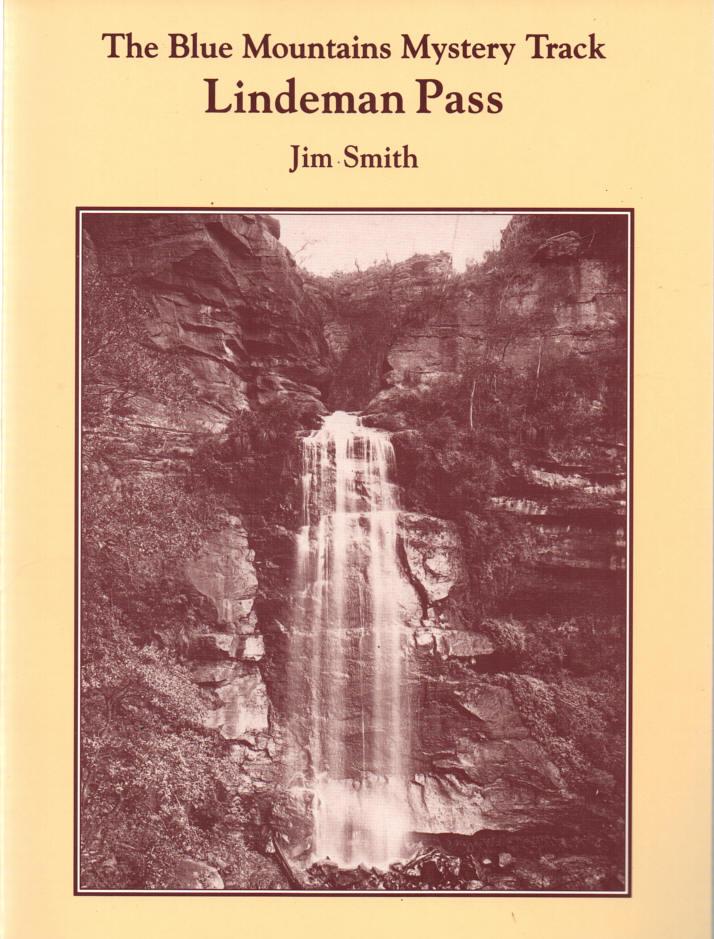
Lindeman Pass: The Blue Mountains Mystery Track A History of the Jamison Valley, Volume 1
Three Sisters Productions Pty. Ltd., Winmalee, NSW, Australia, 1990.
Quarto; paperback; 112pp., with maps, illustrations and 16pp. of monochrome plates. New. Author's remaining copies. Sale price. Between 1909 and 1911 a 6km walking track was built at the base of the cliffs between Wentworth Falls and Leura. It was never opened and long lay neglected. The book tells the story of its rediscovery and restoration.
Click here to order

$10
42132
Stockton, Eugene & John Merriman (eds.)
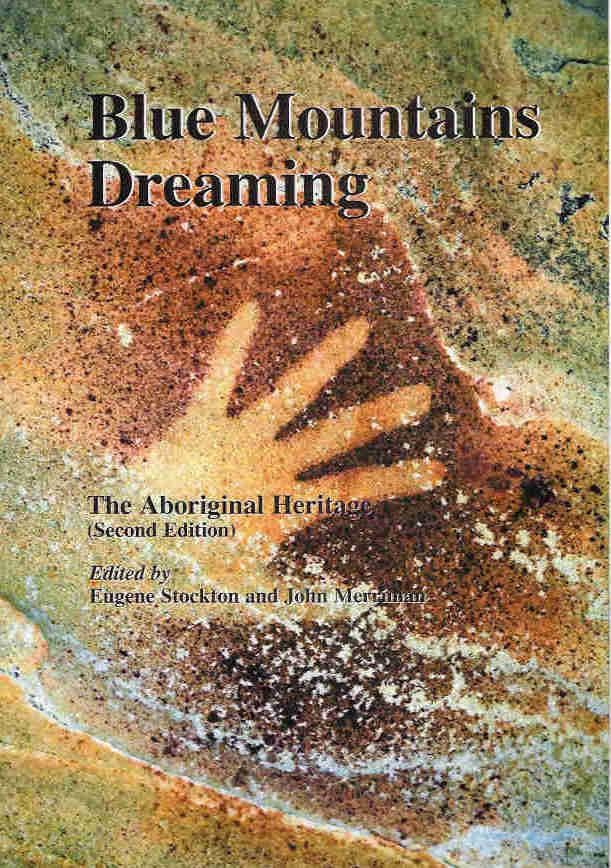
Blue Mountains Dreaming - second edition The Aboriginal Heritage
Blue Mountains Education & Research Trust, Lawson, NSW, Australia, 2009.
Quarto; paperback; 256pp., with many maps and full-colour and monochrome illustrations. New. In 1788 the Aborigines of the Blue Mountains had had no contact with Europeans: within 30 years their traditional way of life had been irrevocably changed. Of the generations of new Mountains dwellers who followed, few appreciated the Aboriginal heritage of the region, even though evidence of their presence was known from the Nepean River and the adjacent escarpment. Increasingly however, widespread discoveries of art sites, occupation sites, stone tools, axe-grinding grooves and stone arrangements, research into the journals and early writings of European explorers and settlers, and the compilation of oral histories, are providing a rich, if incomplete, account of the traditional lifestyles and environment of the Gundungurra and Darug people. This greatly expanded second edition gathers together new information about the original inhabitants of the Blue Mountains and provides a fascinating account of histories, languages, legends and European contact.
Click here to order

$45