lamdha books -
Catalogue of books on Japanese art, architecture and craft

Click on the small images at right to see a larger picture

218038
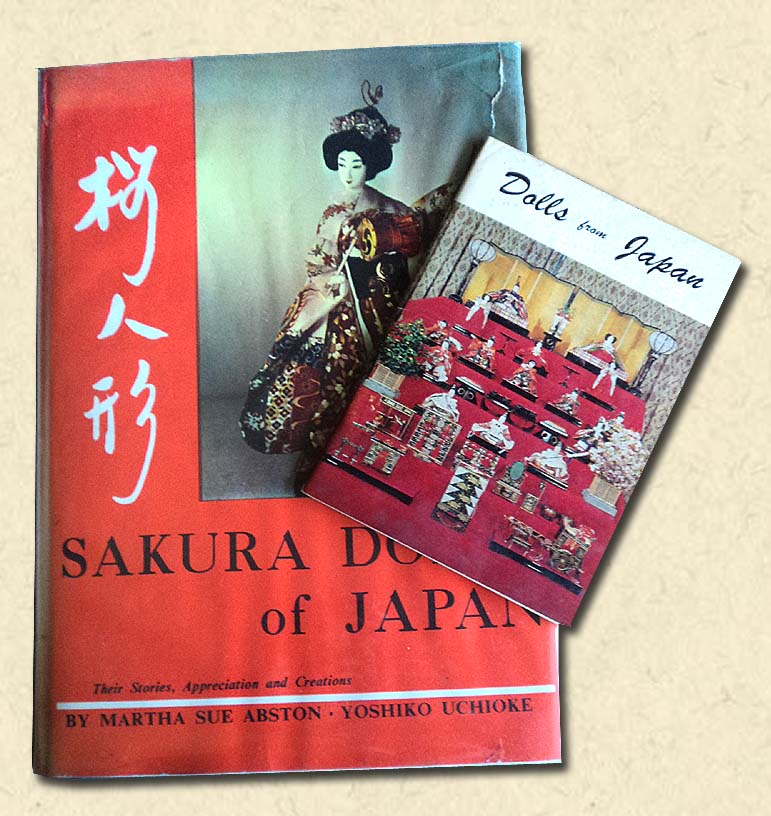
Abston, Martha Sue & Yoshiko Uchioke
Sakura Dolls of Japan: Their Stories, Appreciation and Creations
Japan Publications Trading Company, Rutland and Tokyo, 1963.
Quarto hardcover; blue cloth with gilt upper board titling (in Japanese) and spine titling (English); orange endpapers; 79pp., with facing colour plates and 13pp., on How to Make Sakura Dolls (Geisha; Madame Butterfly and Issun Hoshi) at rear with b&w illustrations. Minor wear; tape marks on endpapers. Orange illustrated dustwrapper with tear on upper front corner; sunned spine and small missing segment on upper rear spine edge. Very good. Wrapper now professionally protected by superior non-adhesive polypropylene film with white paper backing. Laid in: sextodecimo stapled booklet called Dolls from Japan published by Kokusai Bunka Shinkokai 1966. Some mild foxing to booklet with one or two ink marginalia.
Click here to order

$25
217976
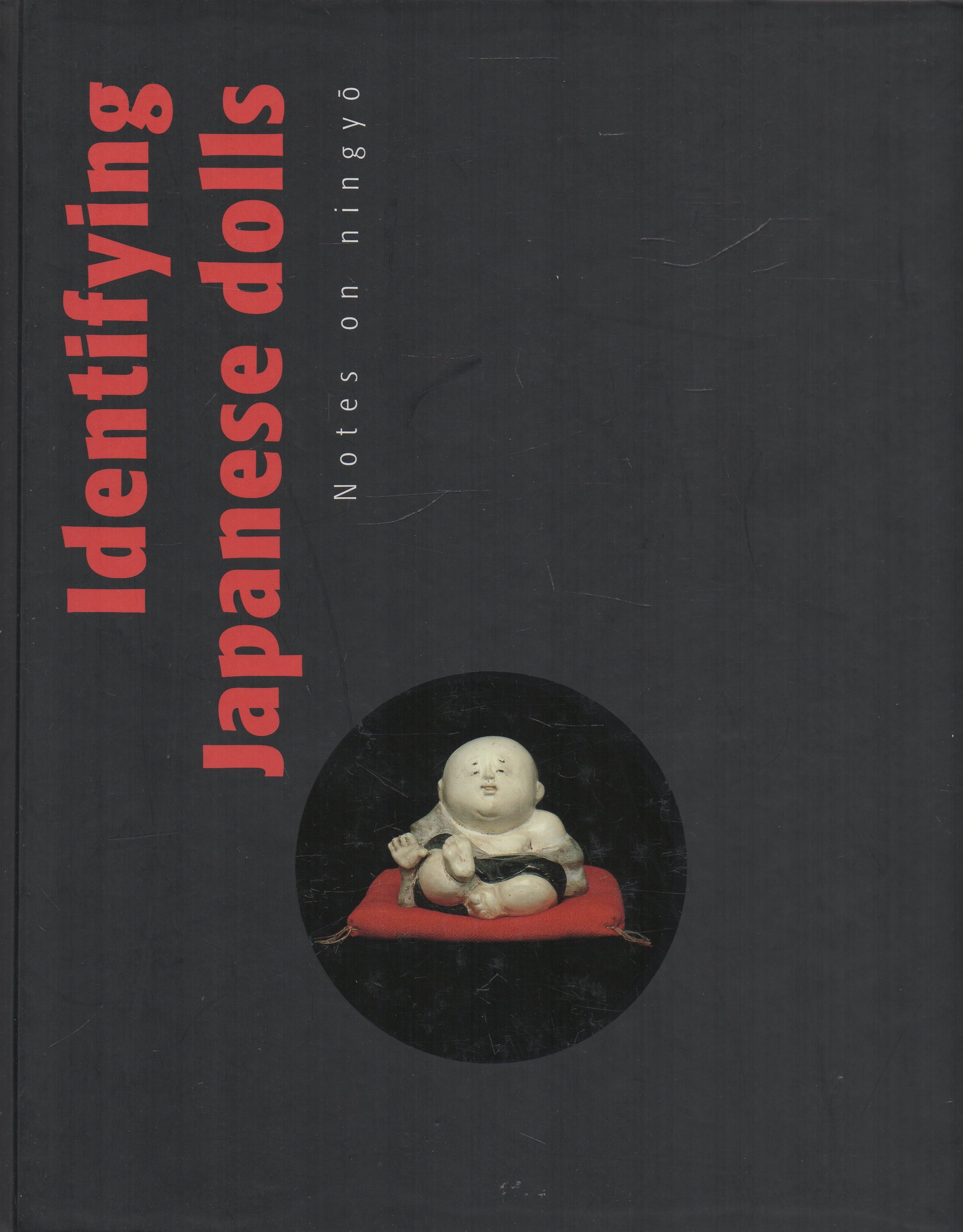
Baten, Lea
Identifying Japanese Dolls: Notes on ningyo
Hotei Publishing, Leiden, 2000.
Quarto hardcover; black boards with gray spine and red and white upper board and spine titling, round front board illustration; decorated dark blue endpapers; 144pp., colour illustrations. Minor wear; small bump and tear on head of spine, and small chip on heel of spine; mild rubbing to boards. Very good to near fine. No dustwrapper, as issued.
Click here to order

$50
217911
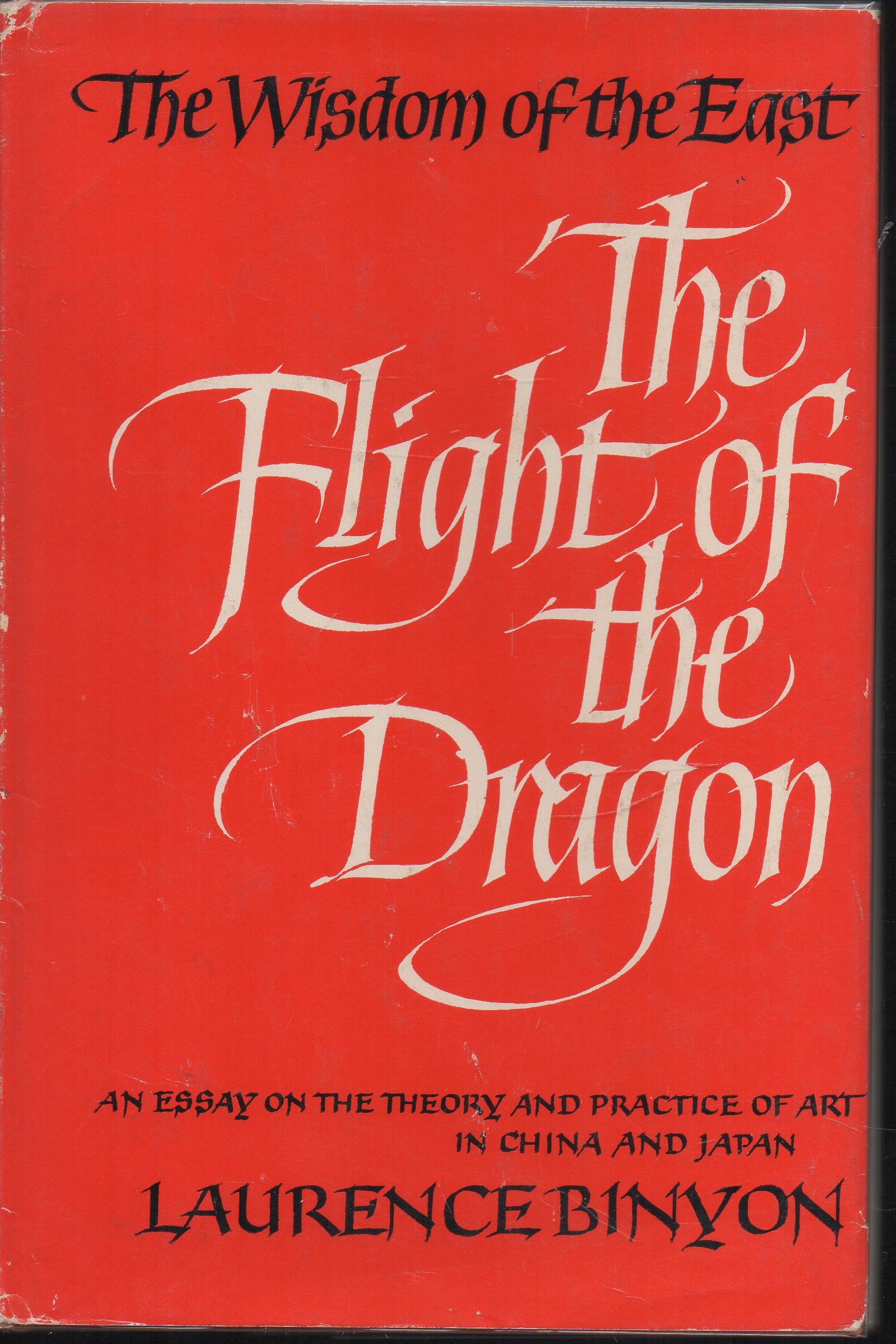
Binyon, Laurence
The Flight of the Dragon An essay on the theory and practice of art in China and Japan based on original sources
John Murray, London, 1972.
Octavo hardcover; orange boards with black spine titling and circular decorative illustration on centre of upper board; 86pp. Bookseller's stamp on front endpaper; faint offsetting to endpapers; mild toning and spotting to text block edges. Red dustwrapper lightly worn and chipped at edges and corners; now professionally protected by superior non-adhesive polypropylene film. Very good.
Click here to order

$16
200405
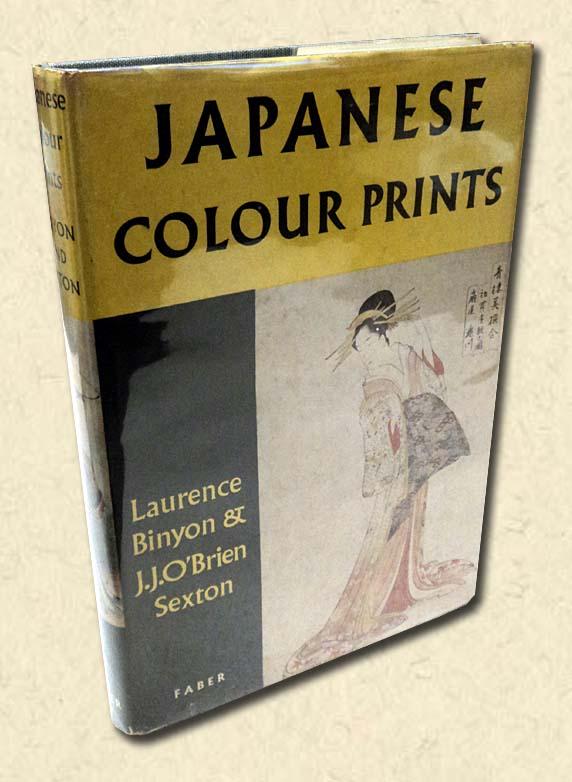
Binyon, Laurence, and J.J. O'Brien Sexton (Basil Gray, ed.)
Japanese Colour Prints
Faber and Faber Ltd., London, 1960.
Second edition: quarto; hardcover, with gilt spine titles on a yellow label; 230pp., top edges dyed green, with many colour tipped-in plates and 32pp. of monochrome plates. Moderate wear; cocked; softening to the spine extremities; offset to the endpapers; previous owner's name in ink to the half-title page; pencilled annotations and ticks to list of illustrations. Else very good.
Click here to order

$55
212129
Brand, Heather (ed.)
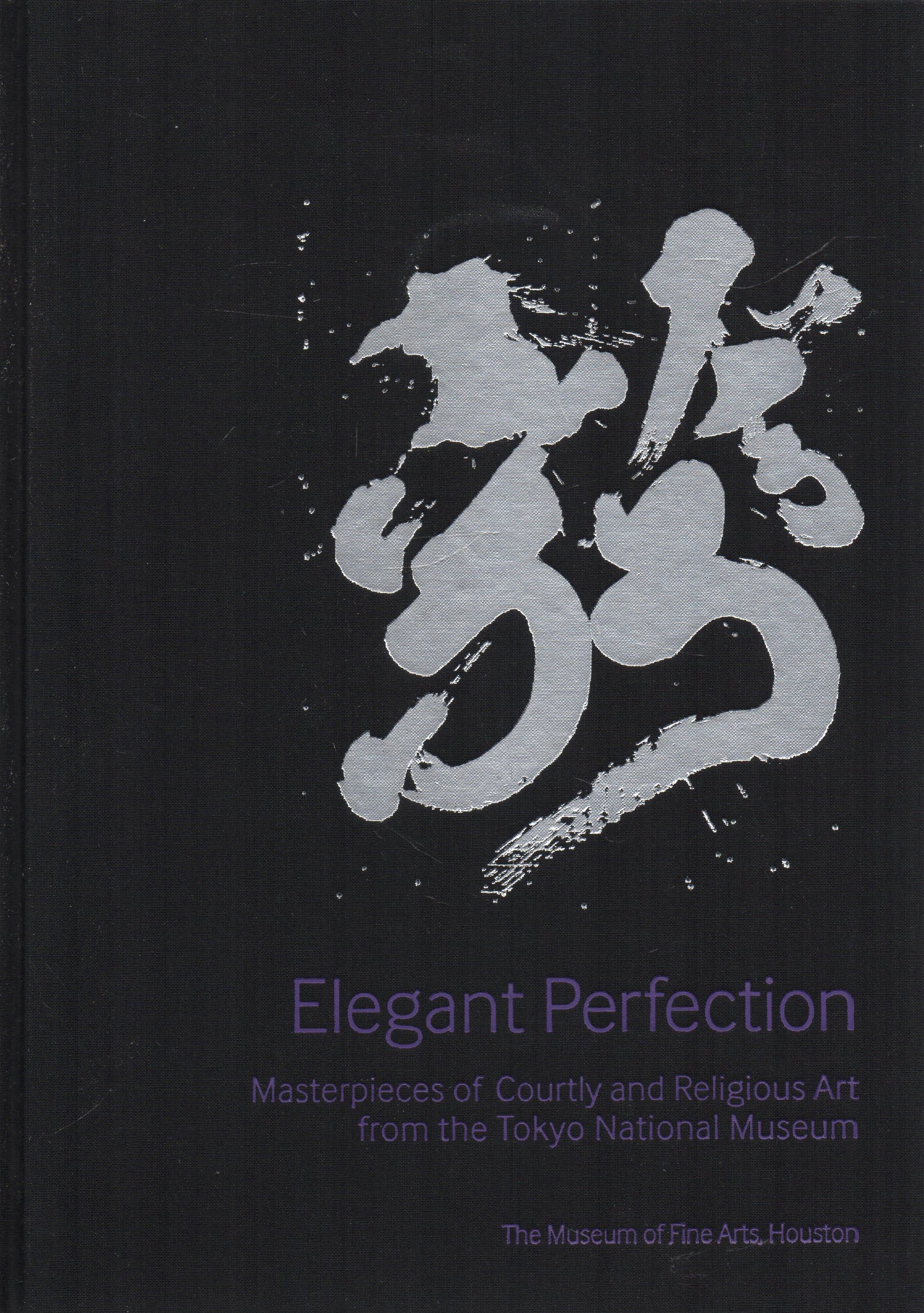
Elegant Perfection Masterpieces of Courtly and Religious Art from the Tokyo National Museum
Tokyo National Museum /Yale University Press, New Haven, 2011.
Quarto hardcover; black cloth boards with purple and silver titling; 127pp., colour plates. No dustwrapper as issued. Remainder, new. As the oldest and largest museum in Japan, the Tokyo National Museum houses a vast collection of culturally important artworks. Elegant Perfection highlights twenty-six masterpieces from this esteemed collection, and together these objects tell the story of the country's artistic development from the prehistoric to the modern era. Essays by experts at the Tokyo National Museum offer insights into how Buddhist art evolved in Japan, and how the aesthetics valued by Japanese courtly society, initially influenced by Chinese Tang culture, gradually became more distinctly Japanese. Melissa McCormick contributes an essay that demonstrates the connections between the realms of courtly and religious art in Japan. The featured works include exquisite examples of painting, sculpture, calligraphy, metalwork, ceramics, and lacquerware. Among them are an 11th-century inscribed poetry compilation, lacquered musical instruments, Edo-period ceramics produced for tea ceremonies, and Buddhist sculpture, painting, and ritual objects. This publication offers a rare opportunity to discover the history and significance of these treasured works of art.
Click here to order

$28
70356
Briessen, Fritz van
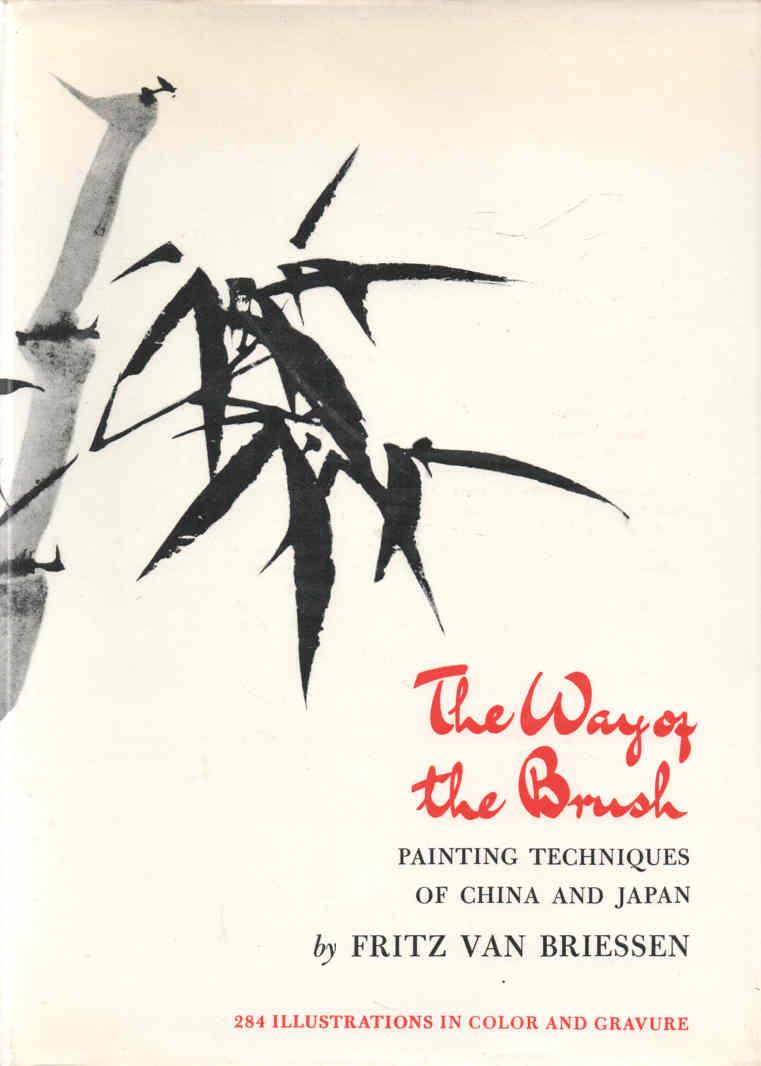
The Way of the Brush Painting Techniques of China and Japan
Charles E. Tuttle Co., Rutland VT, 1962.
First edition: quarto; hardcover, decorated cloth with upper board titles on a red label; 329pp., with many colour and monochrome illustrations. moderate wear; cocked; spine extremities lightly softened; lightly toned and spotted text block edges; offset to the endpapers; previous owner's name in ink to the half-title page. Dustwrapper is mildly rubbed and sunned; now professionally protected by superior non-adhesive polypropylene film. Very good. The author recognises that although many Westerners are drawn to the beauties of Chinese and Japanese painting, there can exist an underlying sense of strangeness which, in the absence of a suitable guide, can leave the art inexplicable. Van Briessen seeks to provide that guide, illuminating the tradition in its own terms. He explains the elements, techniques and principles as well as dealing with various conventions and symbols employed. Technical matters are similarly addressed.
Click here to order

$45
83744
Davis, Julie Nelson
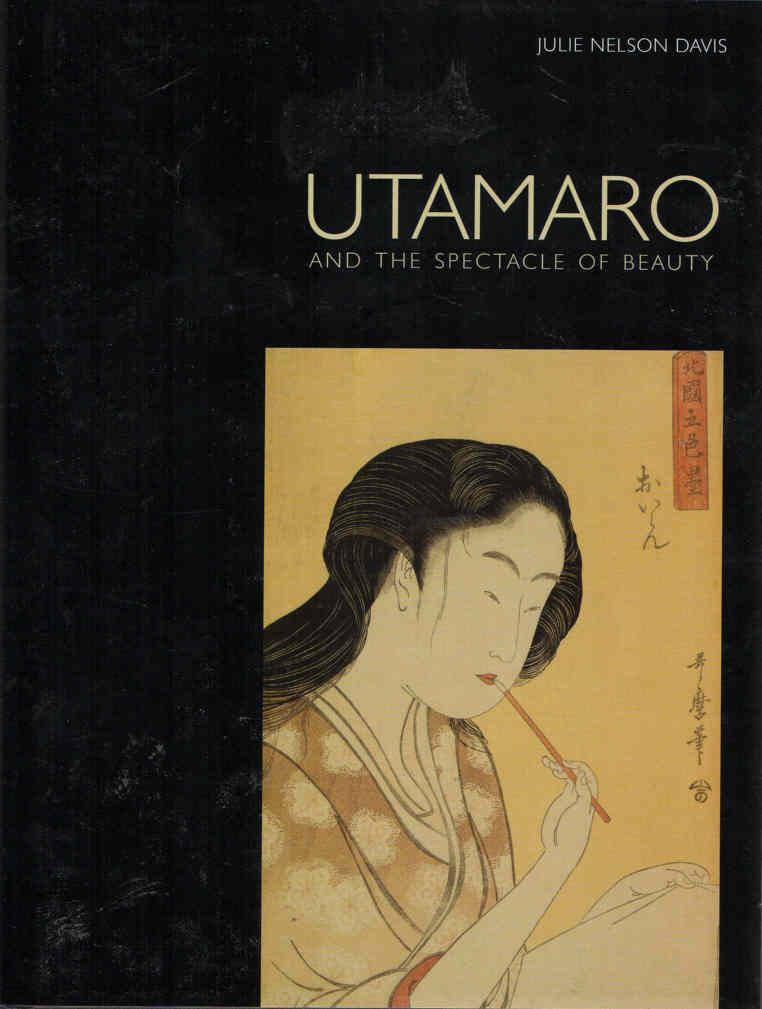
Utamaro and the Spectacle of Beauty
University of Hawai'i Press, Honolulu, 2007.
Quarto hardcover; dustwrapper; 296pp., colour and monochrome illustrations. Remainder. New. Kitagawa Utamaro was widely appreciated for his prints of beautiful women. In images showing courtesans, geisha, housewives and others, Utamaro made the practice of distinguishing social types into a connoisseurial art. In 1804 at the height of his success, Utamaro, along with several colleagues, was manacled and put under house arrest for fifty days for making prints of the military ruler Toyotomi Hideyoshi enjoying the pleasures of the 'floating world'. The event put into stark relief the challenge that popular representation posed to political authority and according to some sources, may have precipitated Utamaro's sudden decline. In this book Julie Nelson Davis makes a close study of selected print sets, and by drawing on a wide range of period sources reinterprets the artist in the context of his times. Reconstructing the place of the ukiyo-e artist within the world of the commercial print market, she demonstrates how Utamaro's images participated in the economies of entertainment and desire in the city of Edo.
Click here to order

$40
200275
Ficke, Arthur Davison
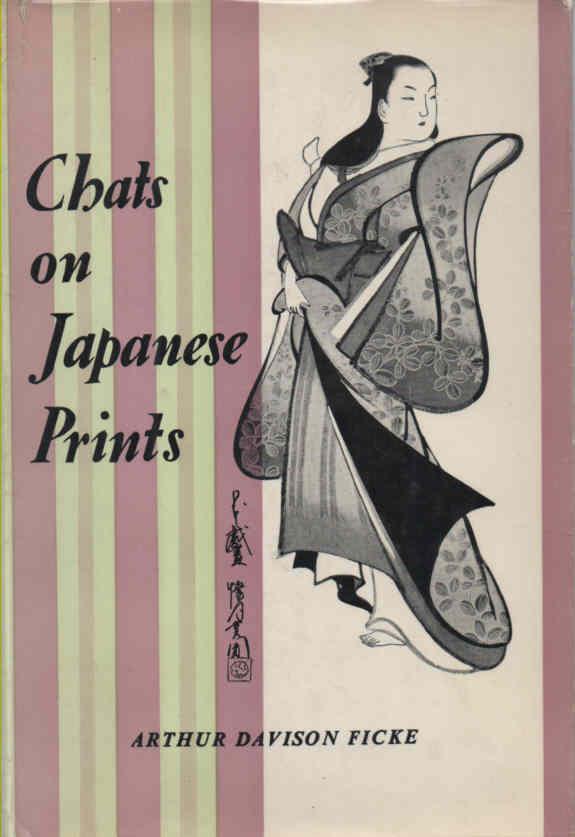
Chats on Japanese Prints
Charles Tuttle, Tokyo, 1966.
Third printing. Octavo hardcover; quarter bound green papered boards with navy blue cloth spine and silver gilt spine titling, pale yellow endpapers; 456pp., monochrome plates. Owner's name. Some pencil underlining. Offsetting to endpapers; mild toning and spotting to text block edges. Mildly rubbed illustrated dustwrapper with wear and scraping to edges and corners - tiny tear on head of spine. Else very good. Wrapper now professionally protected by superior non-adhesive polypropylene film. "One of the finest and most poetic books ever written on Japanese prints." - James A. Michener
Click here to order

$22
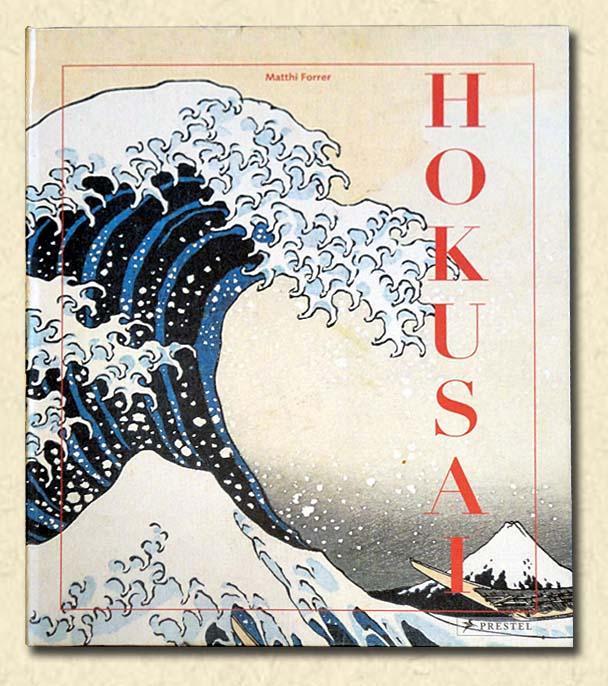
205384
Forrer, Matthi
Hokusai Prints and Drawings
Prestel Publishing Ltd., London, 2010.
Quarto; hardcover, Japanese orihon binding in an illustrated case; 288pp., with many monochrome and full-colour illustrations. Mild wear; covers rubbed. No dustwrapper as issued. Very good to near fine.
Click here to order

$90
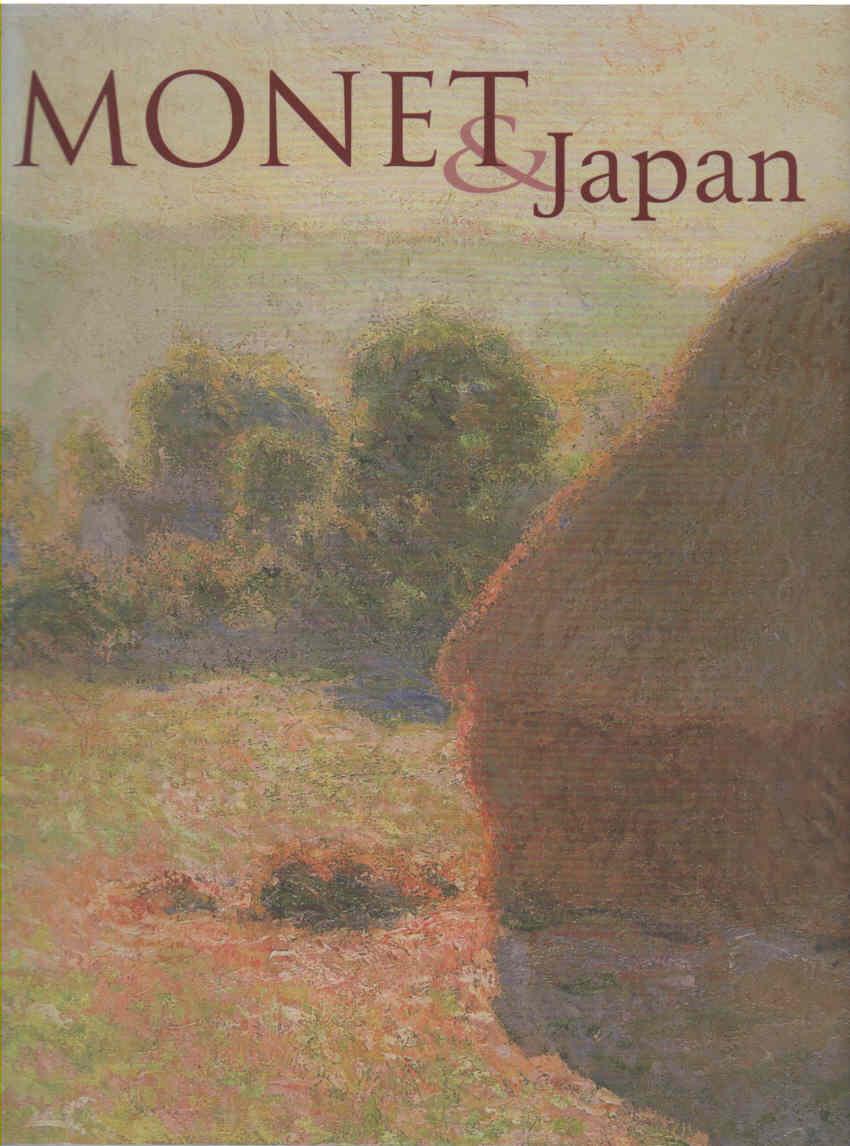
35883
Green, Pauline (ed.)
Monet & Japan
National Gallery of Australia, Parkes ACT, 2001.
Quarto; gatefold paperback; 216pp., with many colour illustrations. Very minor wear only. Near fine. Japanese art accompanied Monet throughout his life as an artist. It affected not only his style and subject matter, but also how he saw nature and how he conceived his relationship to it. Exhibition catalogue.
Click here to order

$30
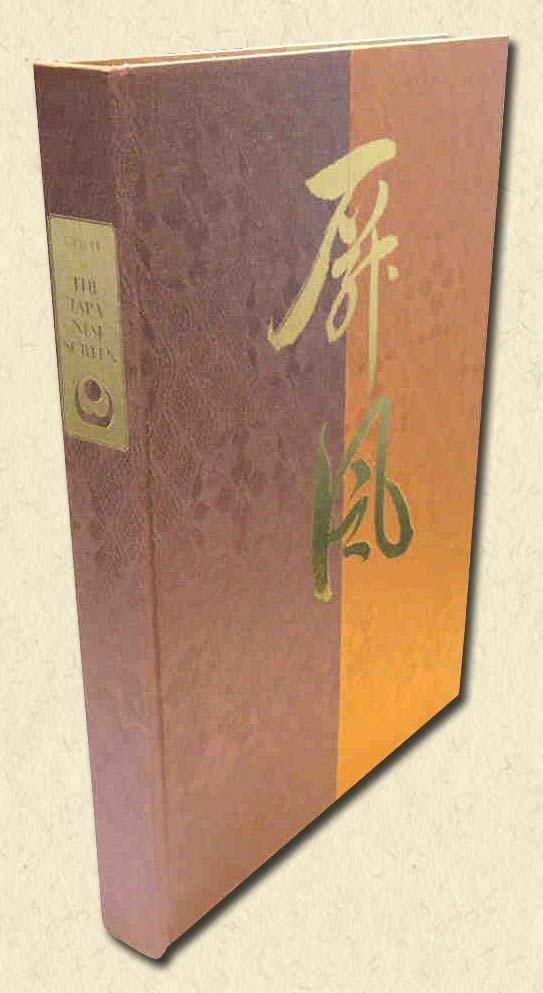
7424
Grilli, Elise
The Art of the Japanese Screen
Weatherhill/Bijutsu Shuppan-Sha, New York NY/Tokyo Japan, 1971.
Hardcover folio, decorated cloth, xii + 276pp., 48 colour and 111 monochrome illustrations. Mauve, green and terracotta toned silk covered boards with gilt lettering and title plate with green-gold decorated endpapers; brown headband. Owner's bookplate. Minor wear; a few marks on side edge of verso of front free endpaper; toned text block edges with some spotting on upper edge. A few small chips on spine extremities of illustrated dustwrapper. Very good to near fine and professionally protected by superior non-adhesive polypropylene film. From ancient times the folding screen has played a special role in Japanese art and decor. At first almost purely utilitarian in purpose, screens came more and more to perform a decorative function as well, and eventually, during the brilliant Momoyama and early Edo periods (late 16th to early 18th century) they served as the medium for one of the most colourful and exuberant expressions of the Japanese painter's art. Beginning with this golden age of screen painting, this lavish book offers a history of the Japanese screen from its origins in antiquity down to recent manifestations in the hands of modern artists.
Click here to order

$160
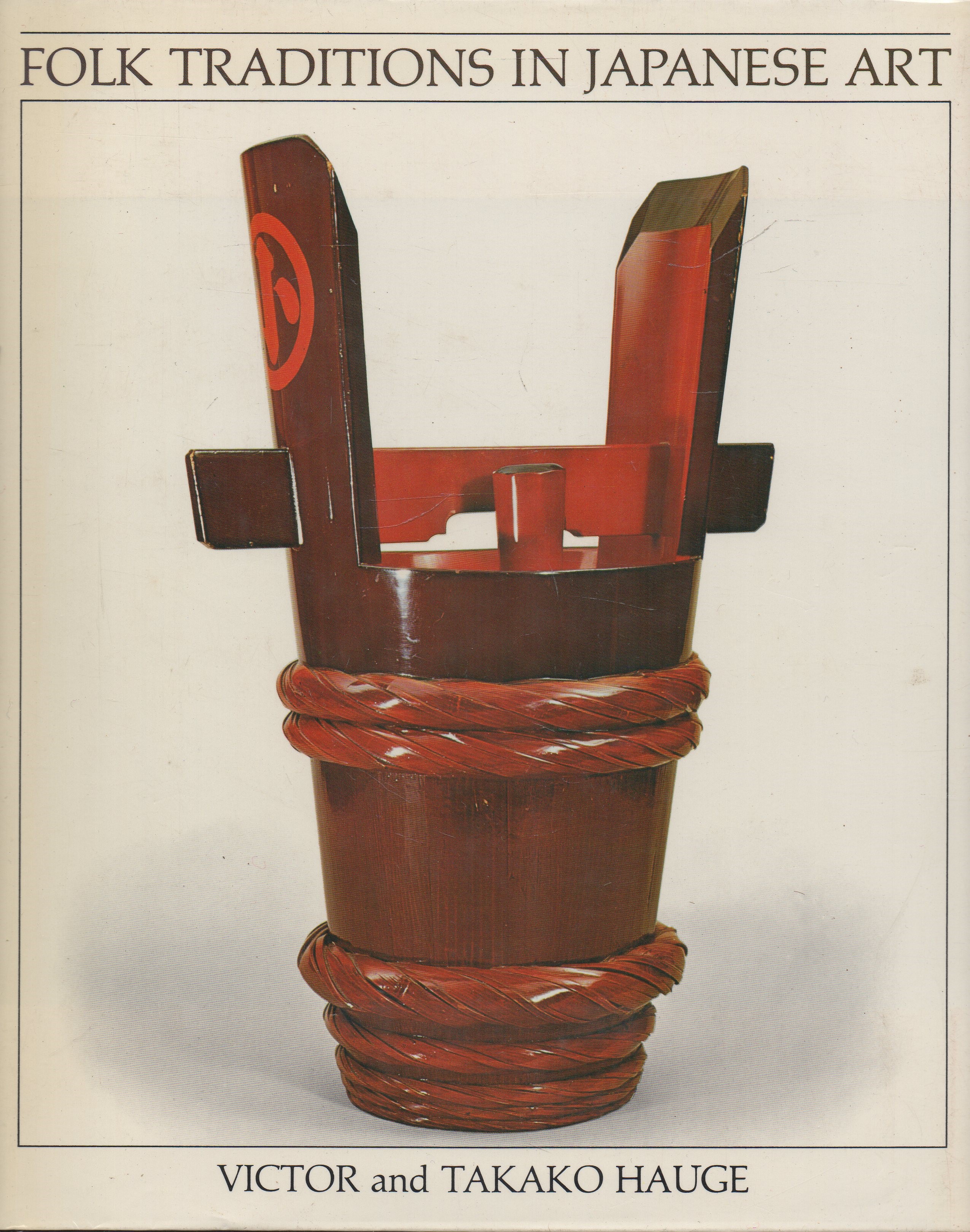
217980
Hauge, Victor and Takako
Folk Traditions in Japanese Art
Kodansha, Tokyo, 1978.
Quarto hardcover; brown cloth boards with gilt spine titling; decorated brown endpapers; 272pp., colour & b&w illustrations. Minor wear; mild spotting and toning to text block and page edges; faint scattered spotting to half-title page. Very good to near fine in like dustwrapper now professionally protected by superior non-adhesive polypropylene film. This book commemorates the first major travelling exhibition of objects drawn from Japan's great folk traditions. Made primarily to fulfil specific functions, each of these objects was fashioned with the innate Japanese sensitivity to beauty resulting in masterpieces of artistic expression. The objects assembled here are largely dating from the period 1600 to 1930, are drawn from art museums general collections of folkcrafts, ethnographic and specialised collections as well as private holdings. Including textiles, ceramics, lacquerware, bamboo objects, furniture and religious objects.
Click here to order

$45
201796
Hickman, Money L.
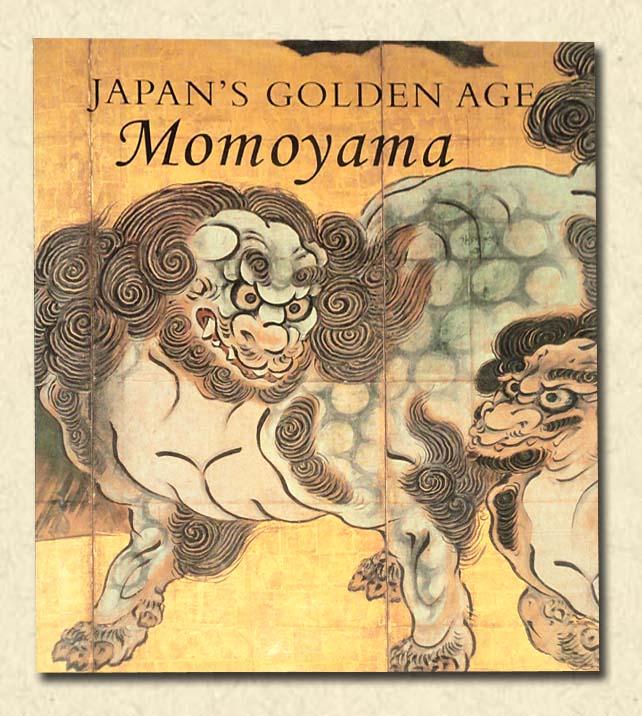
Japan's Golden Age: Momoyama
Yale University Press, 1996.
Large quarto hardcover; black cloth boards with gilt spine titling and illustrated endpapers; 320pp., colour illustrations. Faint spotting to upper text block edge. Near fine in like dustwrapper. A time of dramatic social and political change, and of brilliant artistic innovation and achievement, the Momoyama period (1568 - 1615) was one of the most dynamic eras in Japan's history. This book displays spectacular Momoyama masterpieces in many media - paintings, sculpture, calligraphy, tea ceremony utensils, lacquerware, ceramics, metalwork, arms and armour, textiles, and Noh masks - and places each work of art into its historical and cultural context.
Click here to order

$60
86037
Hillier, J.
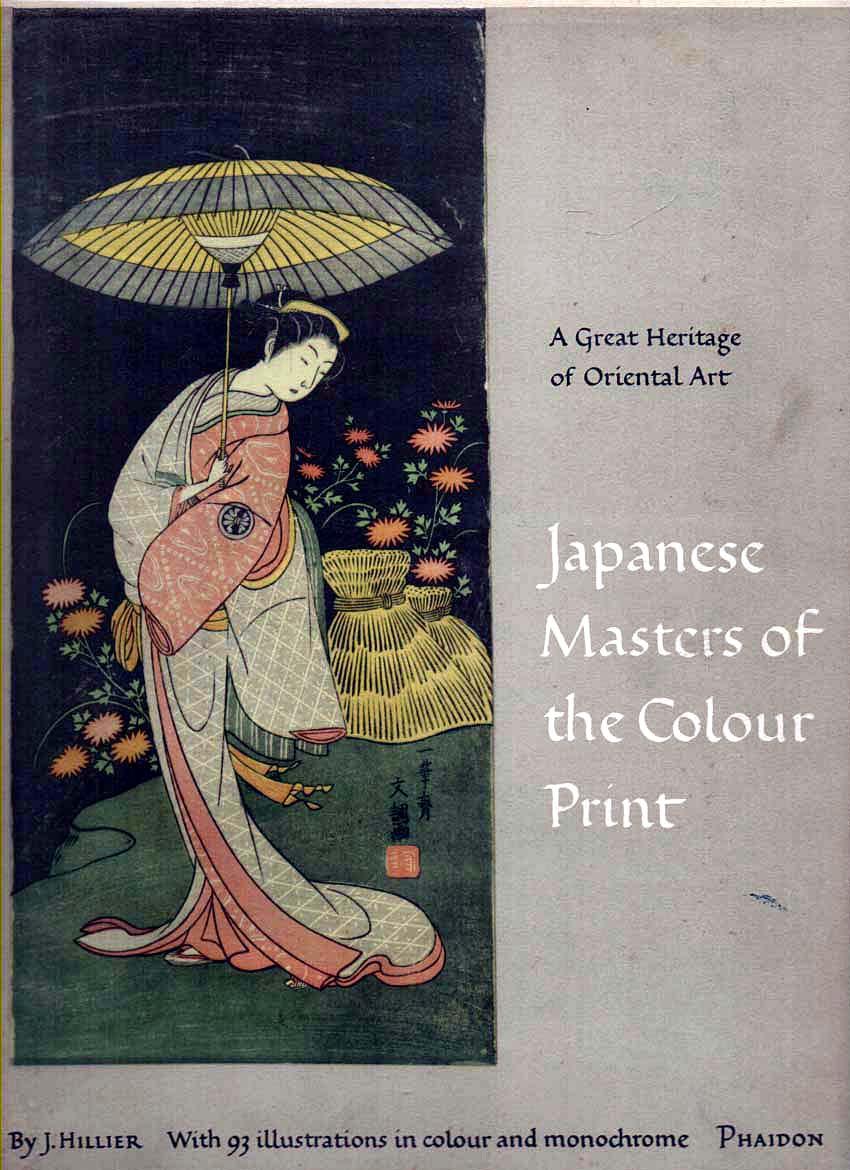
Japanese Masters of the Colour Print A Great Heritage of Oriental Art
Phaidon Press Ltd., London, 1954.
Second edition: Quarto: hardcover, full decorative cloth with gilt spine-titling on a light-blue label; 140pp., with a tipped-in colour frontispiece, 19 plates likewise and many other monochrome illustrations. Mild wear; slight softening to the spine extremities; text block edges toned; retailer's bookplate to front pastedown. Price-clipped dustwrapper is lightly rubbed with some minor marks; mildly sunned along the spine panel; now backed by archival-quality white paper and professionally protected by superior non-adhesive film. Very good. Japanese prints are probably the most popular form of art from the East that has become known to the West. These images of oriental life and thought have continued to delight Europe and America since they were first seen outside Japan in the mid-nineteenth century. This book presents a succession of great masters from Moronobu in the late seventeenth century to Hokusai and Hiroshige in the nineteenth.
Click here to order

$50
200277
Hillier, J.
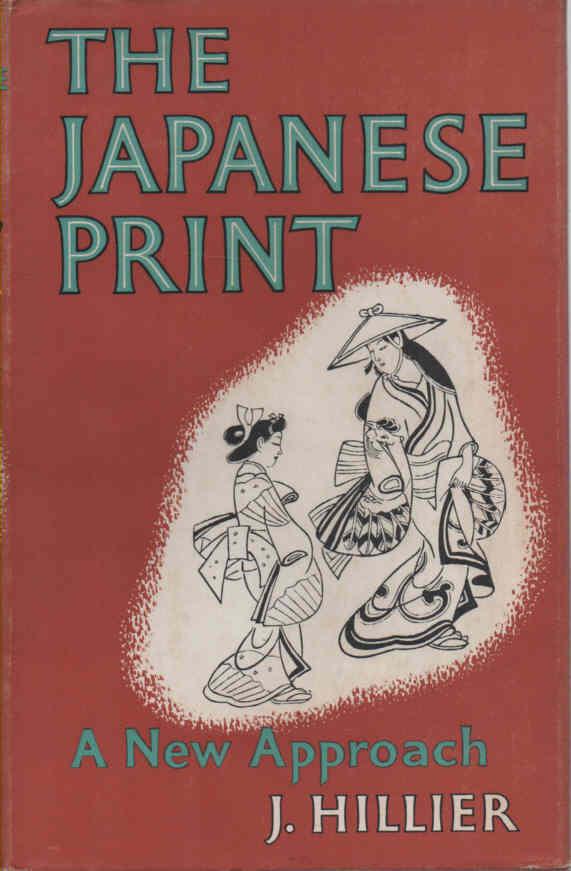
The Japanese Print A New Approach
G Bell & Sons, London, 1960.
Octavo hardcover; red boards with gilt spine titling and decorated endpapers; 184pp., monochrome plates. Owner's name. Offsetting to endpapers; faint spotting to text block edges. Dark red illustrated dustwrapper with slight rubbing and browning along spine and edges; mild chipping and wear to edges. Very good with wrapper now professionally protected by superior non-adhesive polypropylene film.
Click here to order

$25
13673
Hillier, J.
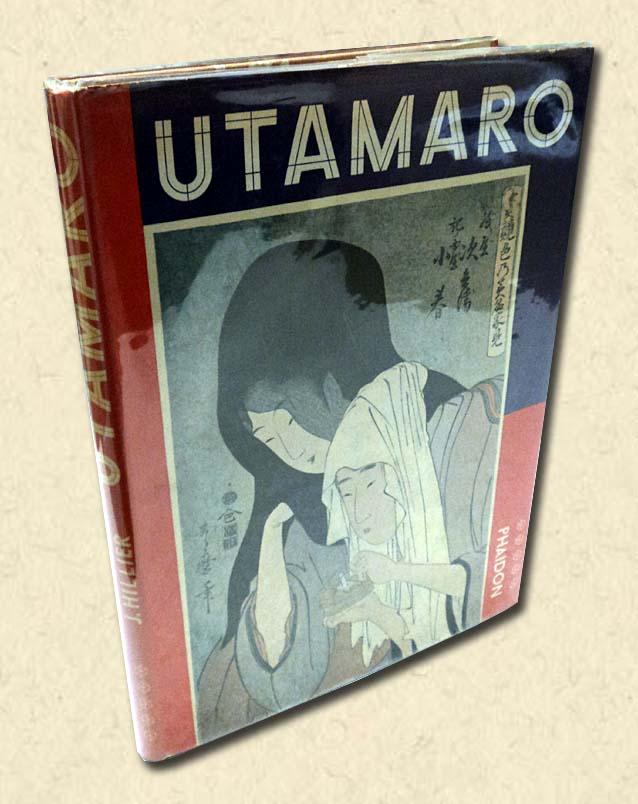
Utamaro Colour Prints and Paintings
Phaidon Press Ltd., London, 1961.
First edition. Quarto printed cloth, 161pp, 110 illustrations & 17 tipped colour plates. A few spots on endpapers and pastedowns with some light toning and faint spotting to text block edges; dustwrapper chipped at spine extremities and corners. Very good to near fine and professionally protected by superior non-adhesive polypropylene film. Utamaro is one of the most significant figures in the history of Japanese art, and one who has had an incalculable influence of western artists. The author of this study for many years devoted to a study of Japanese artists, especially of Utamaro. Aided by a generous selection of typical prints, in broadsheet or album form, he traces Utamaro's development as an artist, providing at the same time an approach to the Japanese way of life in the late eighteenth century, as well as to some of the problems of Japanese art generally.
Click here to order

$50
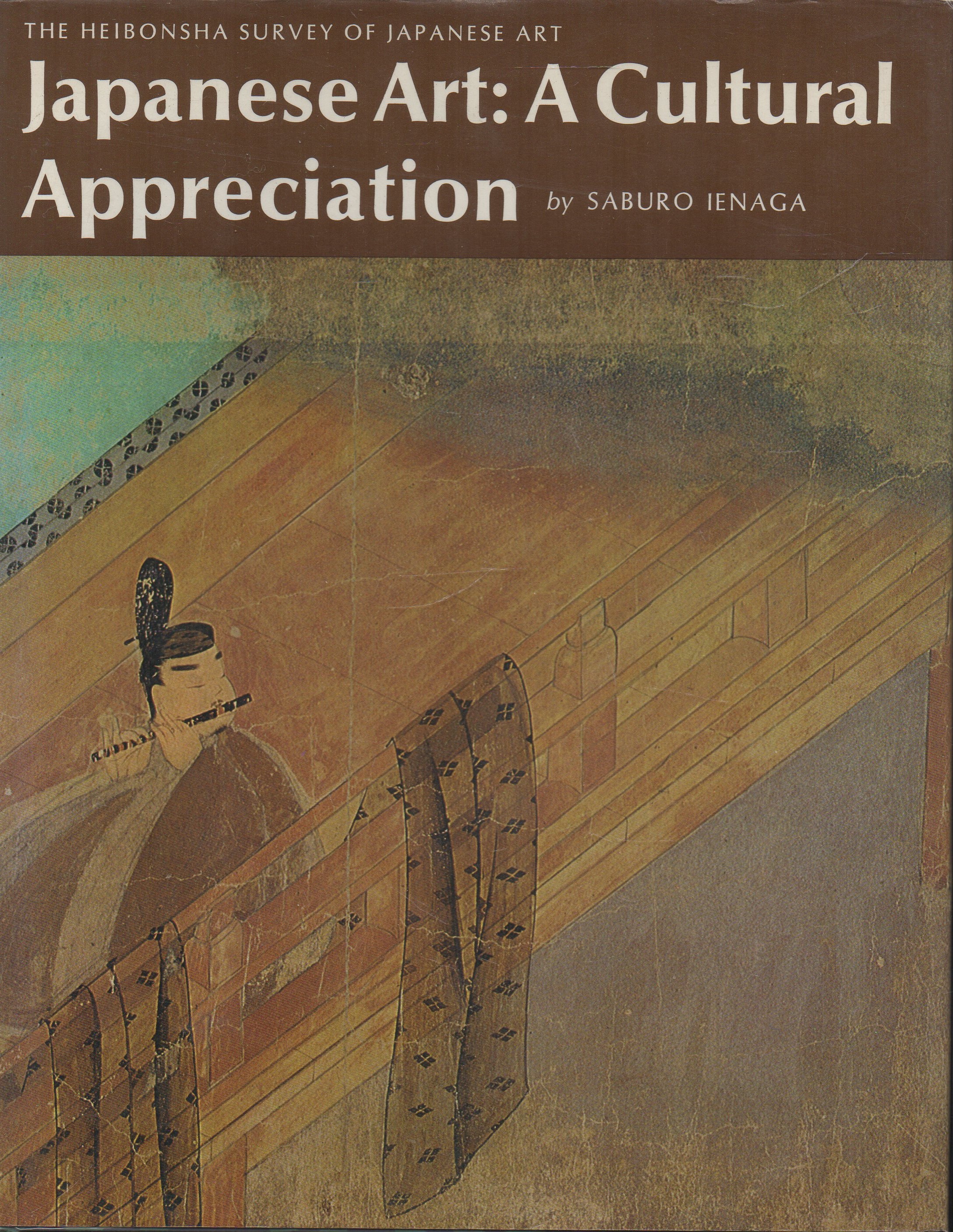
217969
Ienaga, Saburo (trans. Richard L. Gage)
Japanese Art: A Cultural Appreciation The Heibonsha Survey of Japanese Art
Weatherhill/Heibonsha, New York, 1979.
Quarto hardcover; decorated mauve and turquoise boards with gilt spine titling, gold endpapers; 177pp., colour & b&w illustrations. Mild toning and foxing to page edges of early and late pages; tiny chip on head of dustwrapper spine. Otherwise very good to near fine. Wrapper now professionally protected by superior non-adhesive polypropylene film. The socio-historical approach of the book permits the reader to view Japanese artists and their achievements in the context of the world and the times that produced them. The life of the people and the nature of the society in which they lived are thus seen as the matrix from which the enduring treasures of Japanese art emerged. The splendid pottery of the prehistoric Jomon age, the inspiring Buddhist sculpture of the eighth century, the brilliant decorative painting of the Momoyama and early Edo periods, the colourful woodblock prints of the eighteenth and nineteenth centuries - all these and the many other landmarks of Japan's art history are effectively integrated with the background against which they made their appearance.
Click here to order

$28
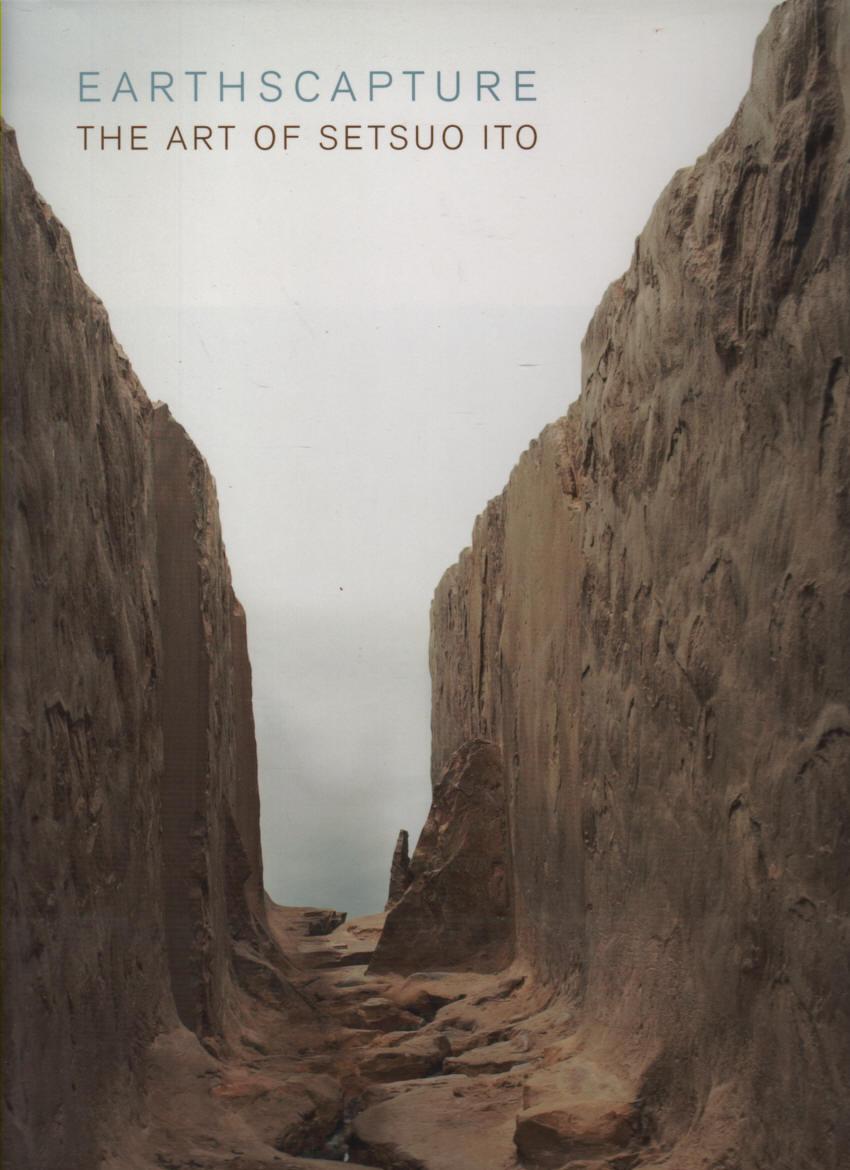
75203
Ito, Setsuo
Earthscapture The Art of Setsuo Ito
Hudson Hills Press, Manchester, 2007.
Large quarto hardcover, 175pp., colour illustrations. Minor scuffing to dustwrapper with scratching on rear panel. Otherwise near fine and professionally protected by superior non-adhesive polypropylene film. This book attempts to capture the exceptional physical and dramatic aesthetic qualities found in each of the individual works showcased. Strongly influenced by the natural beauty of the western regions of the United States, the philosophy of American Indians, and his own Japanese culture, Ito merges these elements into sculpture of beauty and strength. An artist of incredible vision and skillful mastery, the work of Setsuo Ito reflects an undeniable connection to nature.
Click here to order

$50
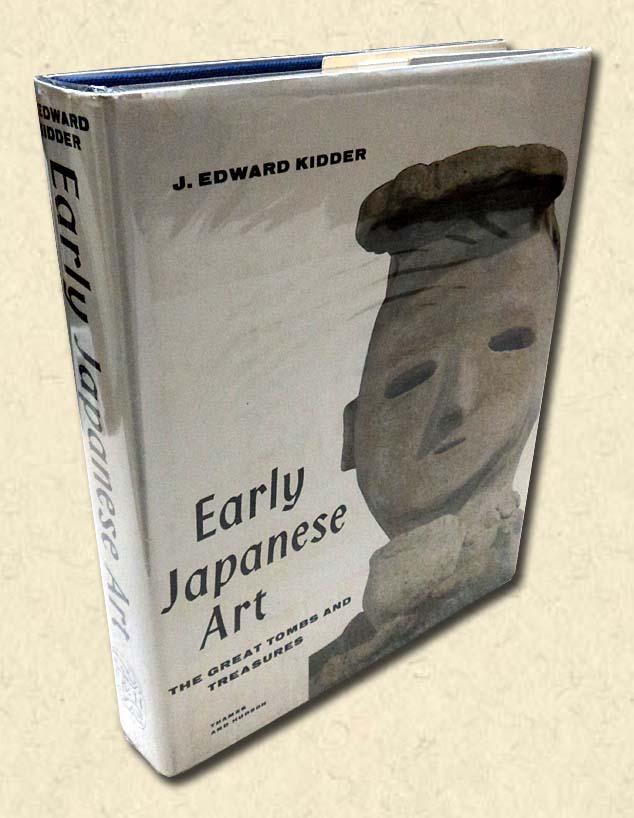
7372
Kidder, J. Edward
Early Japanese Art The Great Tombs and Treasures
Thames & Hudson Ltd., London, 1964.
Hardcover, square small quarto, 364pp., 15 colour plates, 76 photogravure plates, 37 line drawings, 3 maps. Upper text block edge spotted; boards clean and solid; dustwrapper discoloured at edges, but bright and intact with little creasing. Very good in good/very good dustwrapper. Professionally protected by superior non-adhesive polypropylene film. The period described in this book is 660 BC to the end of the Great Tomb Period in 671 AD. The author has collated his own and other archaeologists' work on the tombs and their treasures, and from the literature of this, the first documented period of Japanese history, he has reconstructed the art, society and some of the beliefs of Japan in its formative years. It is a reconstruction heightened by the 133 illustrations, selected from all the media of protohistoric Japanese art: clay figures, iron weapons, gold crowns, wall paintings. The appendices provide catalogued descriptions of all the period's ornamented tombs and decorated sarcophagi to be found in Japan.
Click here to order

$60
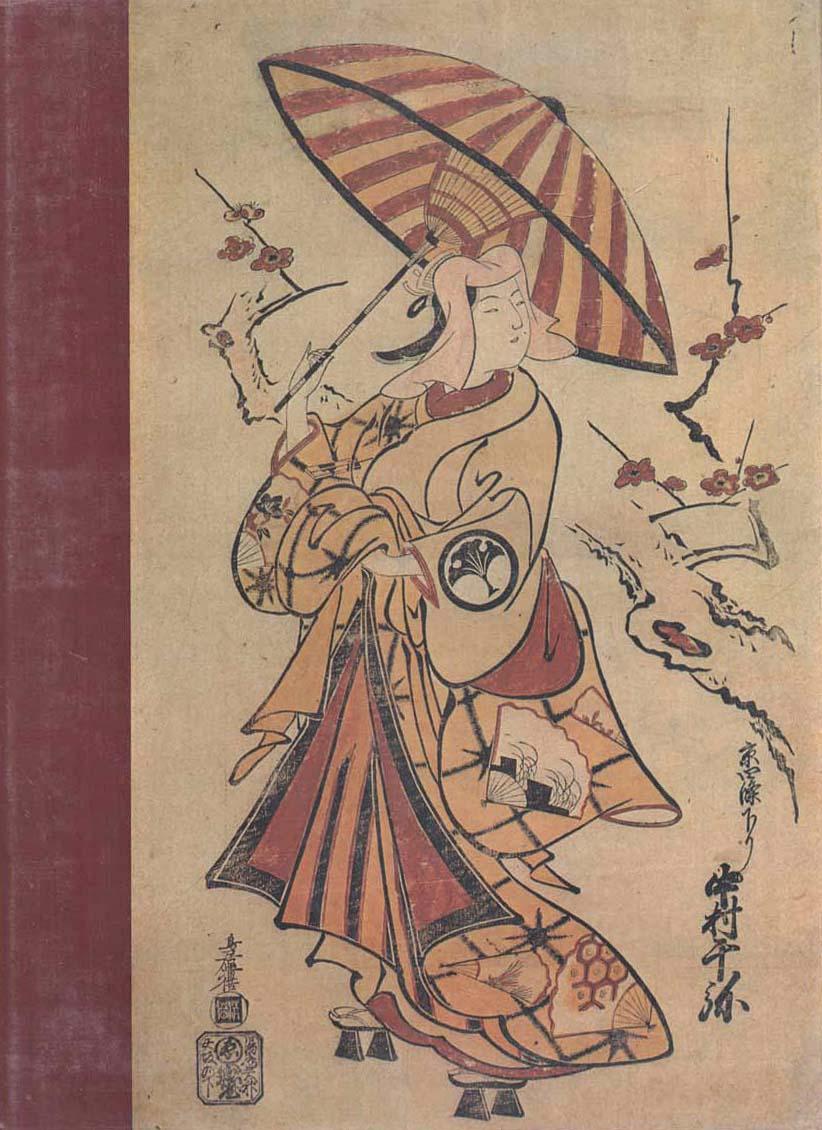
207533
Link, Howard
The Theatrical Prints of the Torii Masters A Selection of Seventeenth and Eighteenth-century Ukiyo-e
Honolulu Academy of Arts/Riccar Art Museum, Honolulu HI, 1977.
Quarto; hardcover, with upper board titles, a lower board decoration and black endpapers; 144pp., with many colour and monochrome illustrations. Minor wear; a sticker ghost to the flyleaf. Dustwrapper is a little rubbed and edgeworn; now professionally protected by superior non-adhesive polypropylene film. Near fine.
Click here to order

$32
86231
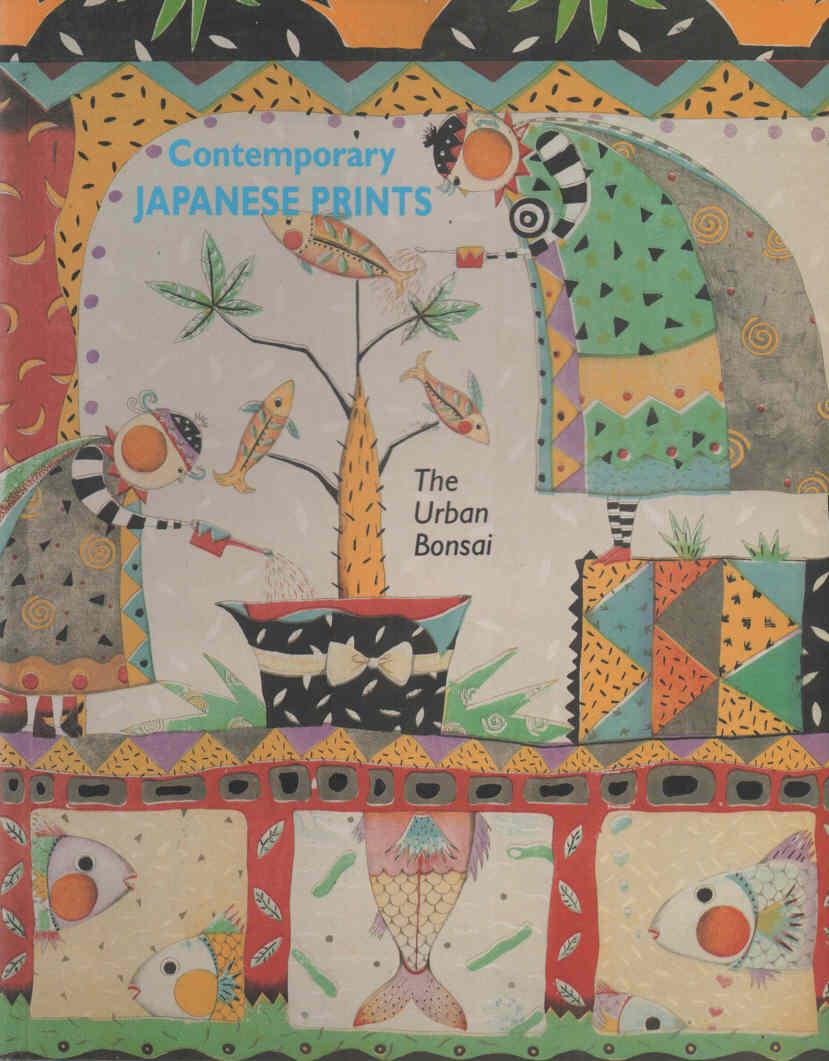
Menzies, Jacqueline
Contemporary Japanese Prints: The Urban Bonsai
Art Gallery of NSW, 1992.
Quarto paperback, 116pp., colour and monochrome illustrations. Minor wear; a few faint spots on upper text block edges; mild rubbing and edgewear to cover. Very good to near fine. Exhibition catalogue.
Click here to order

$20
31693
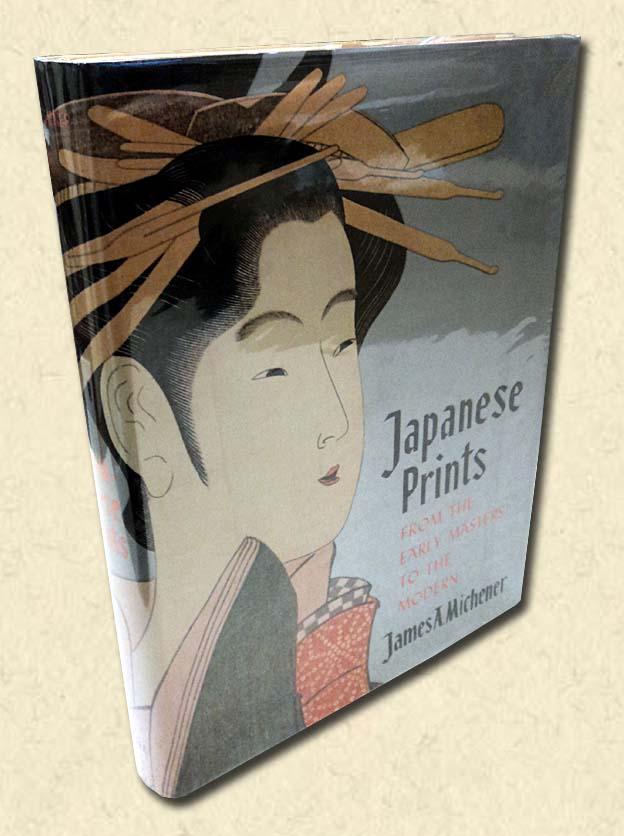
Michener, James A. (Richard Lane, ed.)
Japanese Prints From the early Masters to the Modern
Charles E. Tuttle Company Inc., Rutland, VT, USA, & Tokyo, Japan, 1972.
Quarto; hardcover, with gilt spine-titling and napped silk upper board panel; 287pp., with many monochrome and full-colour illustrations (some folding). Mild offset to endpapers and preliminaries; some very minor stains to the text block top edge; a bump to the spine head mildly affecting the boards. Price-clipped dustwrapper lightly worn; now professionally protected by superior non-adhesive polypropylene. Very good Combining the finished literary style of an outstanding novelist with a mature knowledge of the subject, James A. Michener is able to bring this great art form to life in words, directly communicating his understanding, love and enthusiasm.
Click here to order

$160
200048
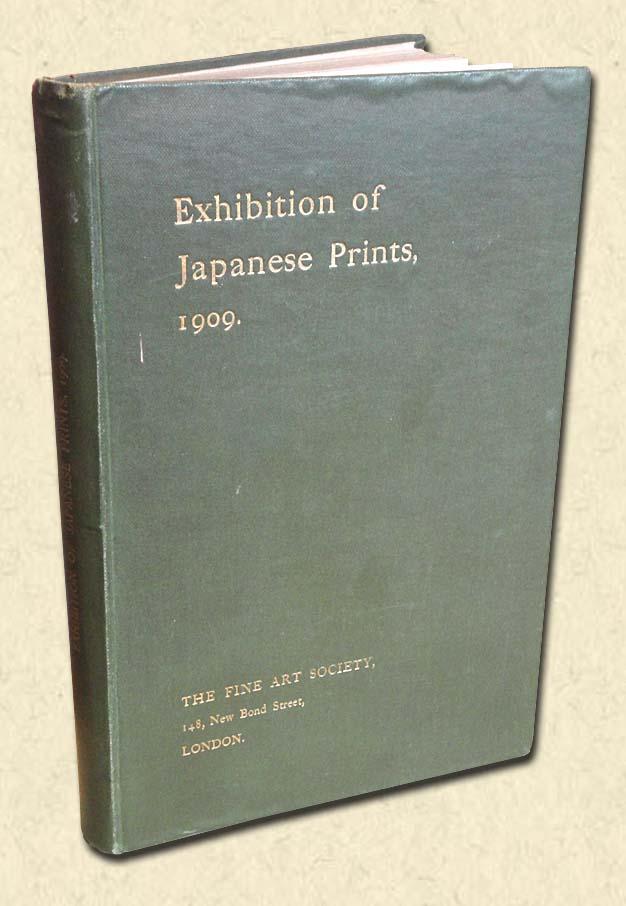
Morrison, Arthur
Exhibition of Japanese Prints Illustrated Catalogue with Notes and an Introduction
The Fine Art Society, London, 1909.
Octavo; hardcover, with gilt spine and upper board titles; 74pp., with a colour frontispiece and 45pp. of colour and monochrome plates (the colour plates with tissue guards). Mild wear; boards rubbed with some marks and lower board sunned; text block and boards slightly bowed; softening to the spine extremities; some light bumping of the edges and corners; spine cracked; text block edges toned and top edge dusted; offset to the endpapers and mild scattered foxing to the preliminaries; previous owner's name in ink to the flyleaf. No dustwrapper. Very good.
Click here to order

$25
88917
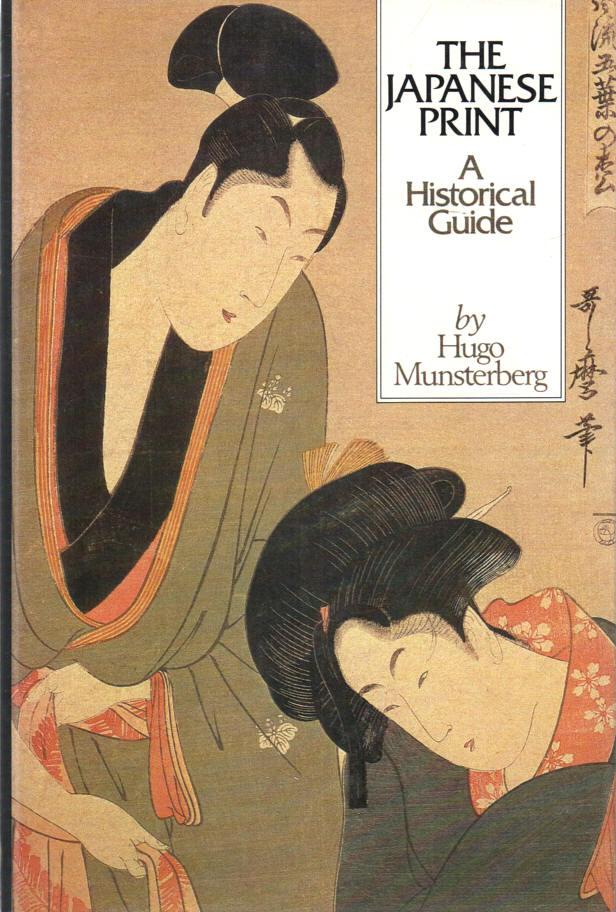
Munsterberg, Hugo
The Japanese Print A Historical Guide
John Weatherhill Inc., Tokyo Japan, 1982.
First edition: octavo; hardcover, with gilt spine-titling and black endpapers; 221pp., with many monochrome and full-colour illustrations. Very minor wear; some faint spotting to the text block top edge. Dustwrapper very lightly rubbed. Near fine.
Click here to order

$22
207532
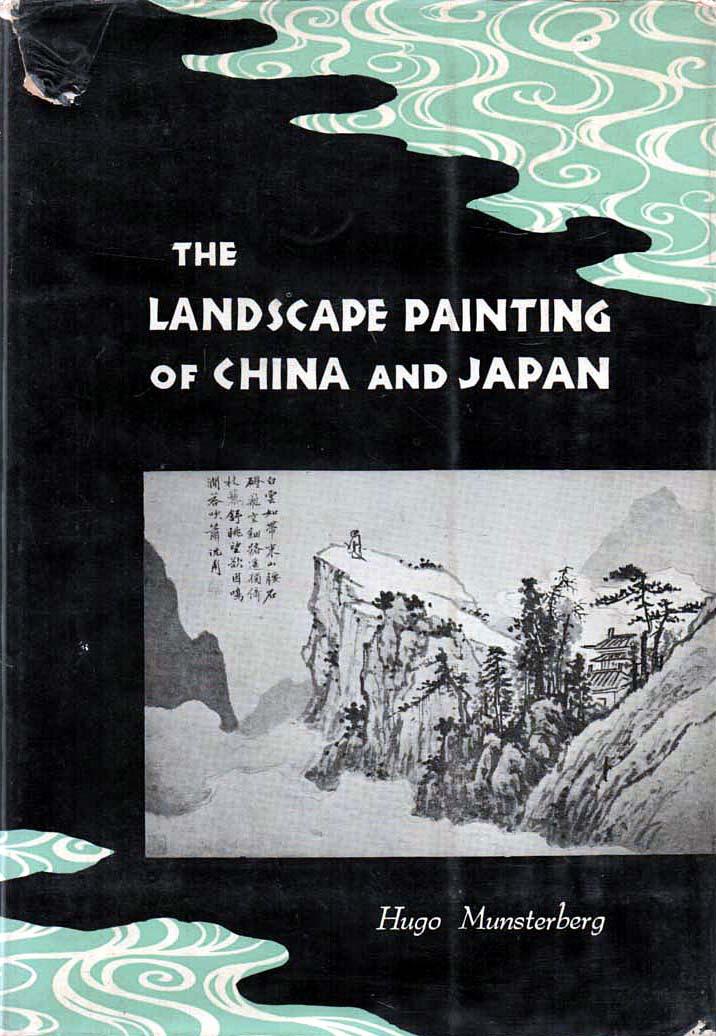
Munsterberg, Hugo
The Landscape Painting of China and Japan
Charles E. Tuttle Co., Rutland VT, 1960.
Reprint: royal octavo; hardcover, quarter-bound in full-cloth with an upper board decoration and decorative endpapers; 144pp., with a colour frontispiece and 101pp. of monochrome plates. Mild wear; covers a little rubbed with sunning to the spine extremities; text block edges toned; some offset to the endpapers. Price-clipped dustwrapper is rubbed and edgeworn; some large chips with associated creasing to the spine panel extremities and the bottom edge of the lower panel; now backed by archival-quality white paper and professionally protected by superior non-adhesive polypropylene film. Very good.
Click here to order

$40
89985
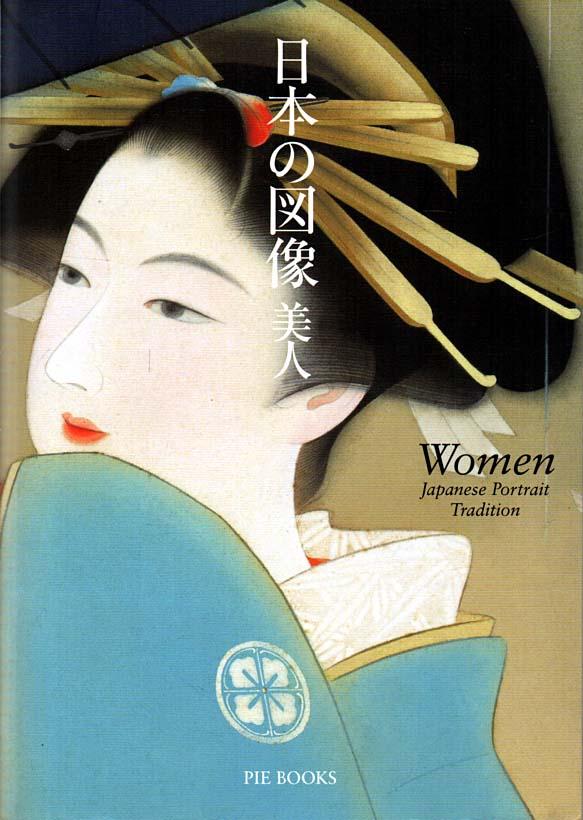
[Pie Books]
Women Japanese Portrait Tradition
Pie Books, Tokyo Japan, 2008.
Octavo; paperback; 392pp., Japanese text, with many full-colour and monochrome illustrations. Very mild wear; some light marks on the text block edges. Dustwrapper. Very good to near fine.
Click here to order

$30
68937
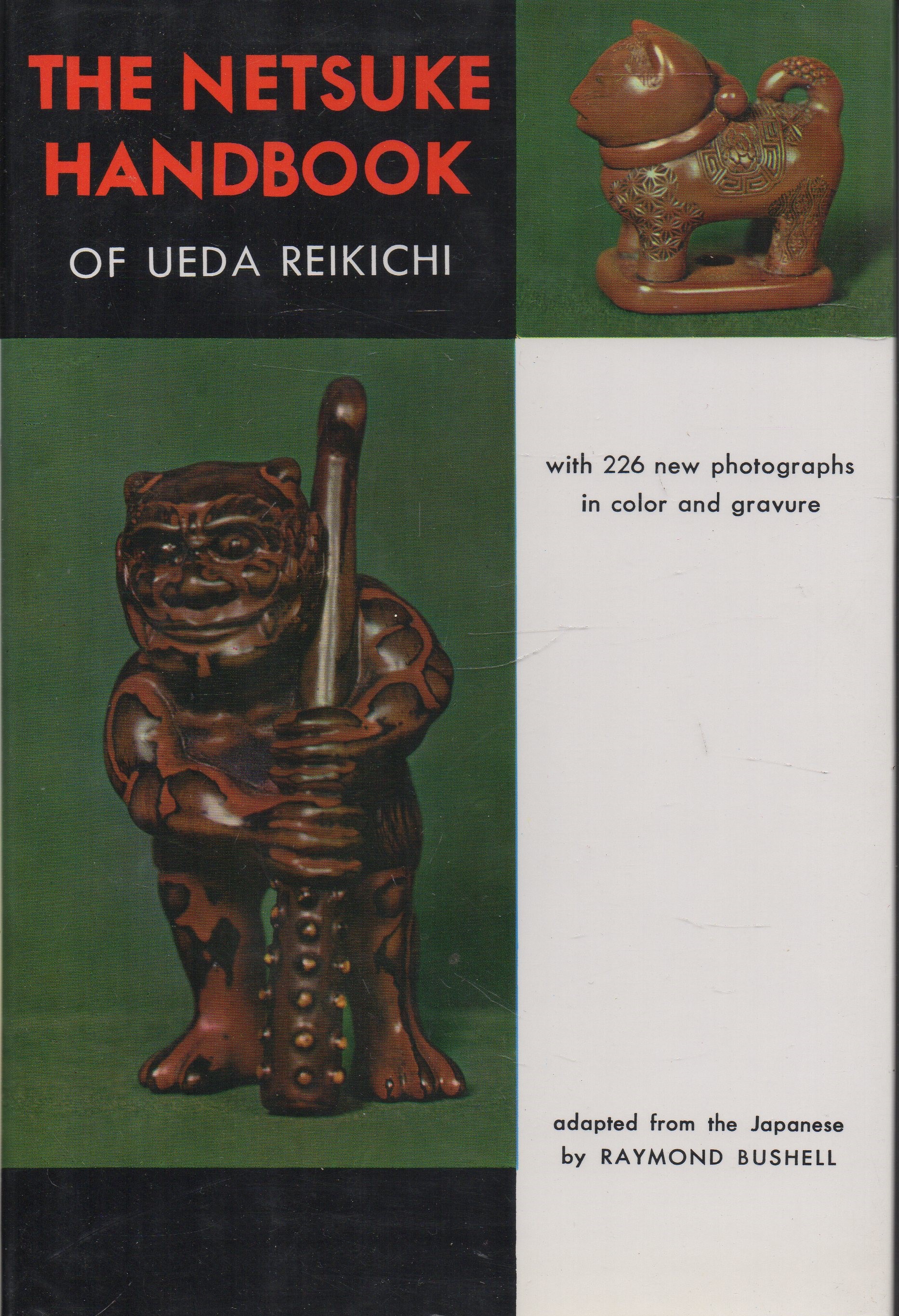
Reikichi, Ueda
The Netsuke Handbook Adapted from the Japanese by Raymond Bushell
Charles Tuttle, Tokyo, 1988.
Reprint: octavo hardcover; dark red cloth boards with gilt spine titling and beige endpapers; 325pp., colour and monochrome illustrations. Lightly toned text block edges. Minor wear otherwise, near fine in like dustwrapper. Netsuke have long exerted an irresistible attraction for Occidental collectors. These tiny carvings, principally in ivory and wood, are distinguished by a charm of conception and an attention to detail that frequently make them the equal of sculpture on a grander scale. Yet they were originally utilitarian objects designed to serve as pendants or toggles to support tobacco pouches, medicine boxes and similar items suspended by a cord from the obi. In compiling this handbook, Ueda engaged in exhaustive research that took him not only into the examination of thousands of individual netsuke but also into such areas as the history of the netsuke, the great variety of materials used by the carvers, the regional characteristics of the netsuke and the biographical facts concerning no fewer than 1342 netsuke carvers. This biographical information, arranged in concise and readily digestible form, constitutes the second part of the volume with, valuably, a large number of facsimile signatures by which the various carvers may be identified.
Click here to order

$45
207535
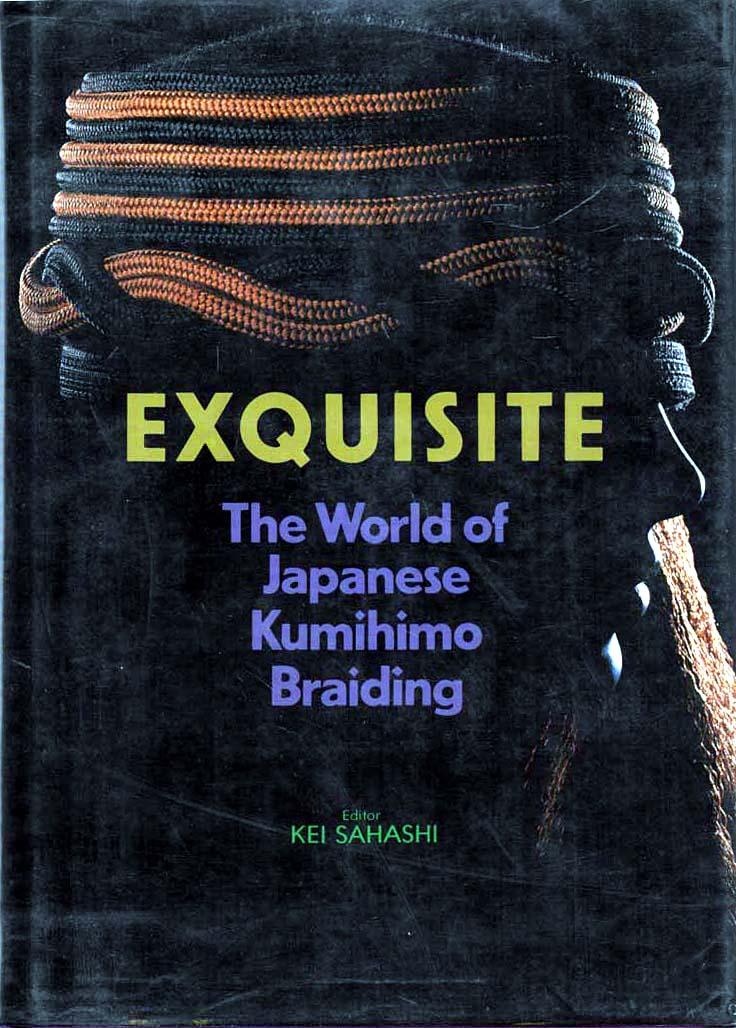
Sahashi, Kei (ed.) (Akihiko Tokue, illus.)
Exquisite The World of Japanese Kumihimo Braiding
Kodansha International Inc., Tokyo Japan, 1988.
Quarto; hardcover; 120pp., with many colour and monochrome illustrations. Minor wear. Dustwrapper is a little rubbed; now professionally protected by superior non-adhesive polypropylene film. Near fine. For the past hundred years, Kumihimo (a type of Asian braiding) have been associated with Japanese kimono accessories - particularly the cord that secures the woman's obi - the obijime - and the cords that fasten the fronts of both men's and women's haori overgarments. For many centuries before that, however, kumihimo found their main use as the lacings holding together the complex lacquered plates of the high-ranking Japanese warrior's suit of armour, as cords, both practical and ceremonial, used on the Japanese sword, and as equestrian trappings. Though these uses employ the strength and durability of kumihimo, they also take full advantage of the braids' decorative qualities - kumihimo have always beautiful as well as functional.
Click here to order

$32
201764
Trinh, Khanh (ed.)
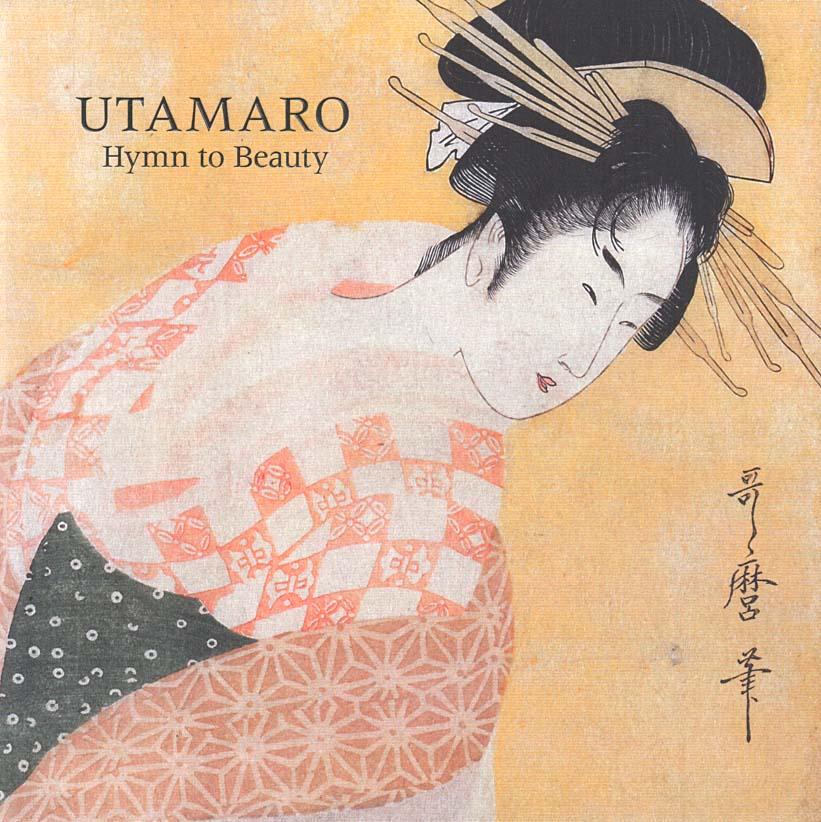
Utamaro Hymn to Beauty
Art Gallery of New South Wales, The Domain NSW, 2010.
Square octavo; gatefold paperback, with upper cover titles; 176pp., with many colour and monochrome illustrations. Minor wear. Near fine. Exhibition catalogue.
Click here to order

$22
200276
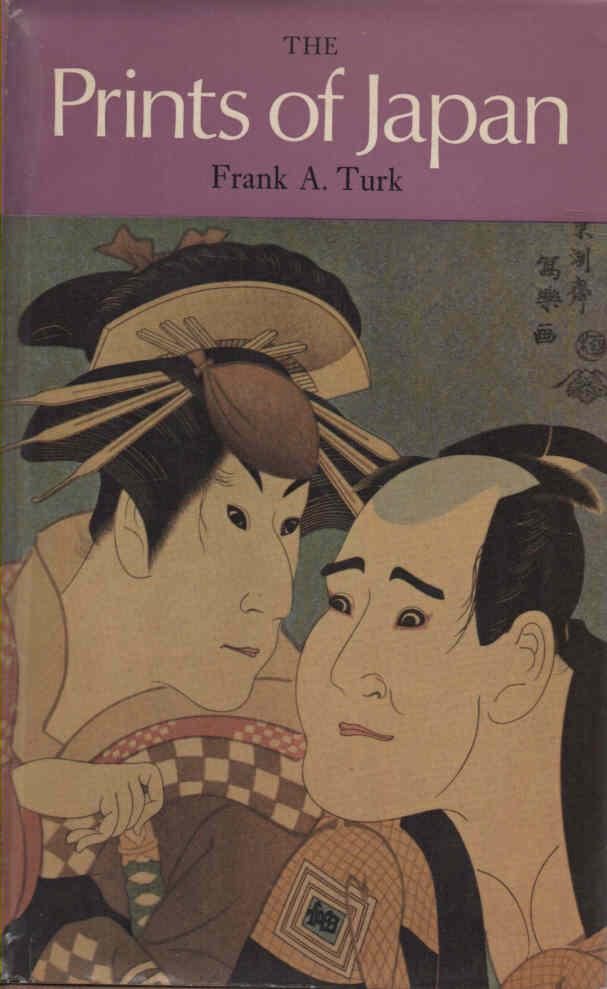
Turk, Frank A.
The Prints of Japan
Arco Publications, London, 1966.
Octavo hardcover; brown boards with navy blue spine titling and green endpapers; 339pp., monochrome plates. Owner's name. Offsetting to endpapers and lightly spotted text block edges. Illustrated dustwrapper with old tape residue along lower rear edge and spine panel extremities, rubbing to rear panel with small mark and perforations, lightly worn edges. Very good with wrapper now professionally protected by superior non-adhesive polypropylene film.
Click here to order

$30
7417
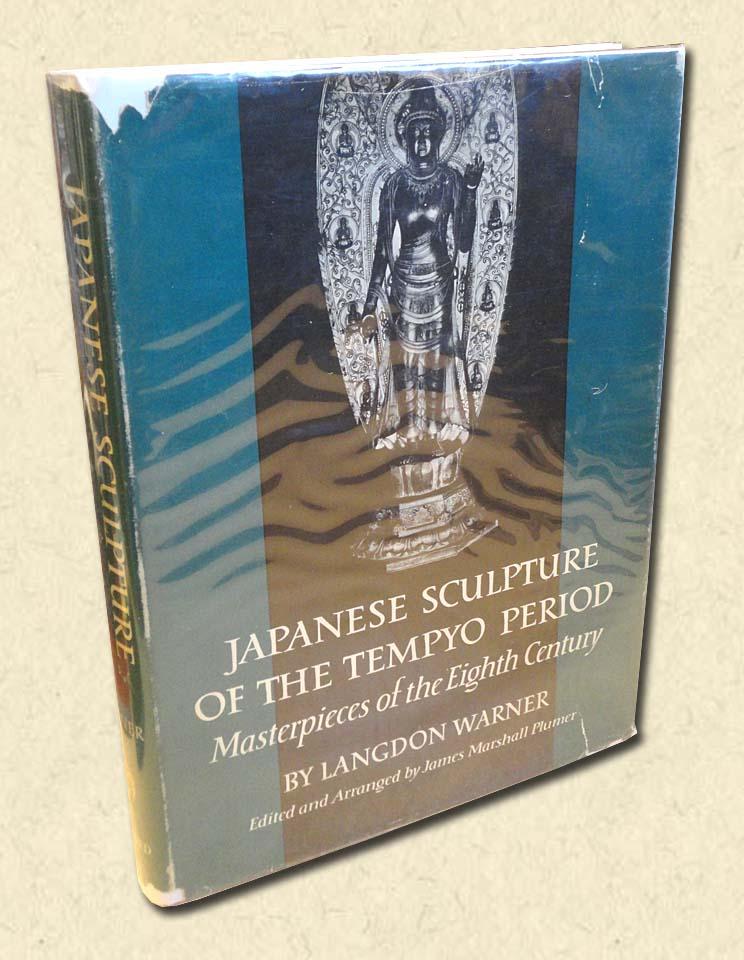
Warner, Langdon
Japanese Sculpture of the Tempyo Period Masterpieces of the Eighth Century
Harvard Univ Press, 1964.
Hardcover quarto, 165pp, 218 monochrome plates. Owner's name on endpaper. Light foxing to preliminaries, upper text block edge spotted; boards rubbed at edges, corners and spine ends bumped; dustwrapper creased and frayed, numerous small and some medium chips. Good only in dustwrapper now professionally protected by superior non-adhesive archival film and white paper backing). This is the one-volume edition of a work first published as a collection of plates with a separate text. It combines excellent illustrations of the treasures preserved at Nara, Japan, with the late Langdon Warner's illuminating commentary. Warner's lifetime work, published posthumously. One volume edition, previously (1959) with separate text and plates.
Click here to order

$65
200297
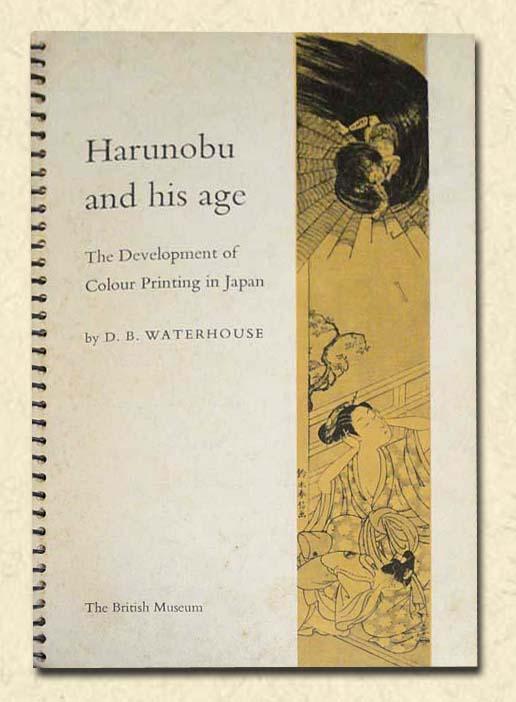
Waterhouse, D.B.
Harunobu and His Age The Development of Colour Printing in Japan
The British Museum, London, 1964.
Spiral bound octavo; 326pp., colour frontispiece and monochrome illustrations. Owner's name. Rubbing and foxing to card covers and a few small marks and faint spotting on text block edges. Good to very good.
Click here to order

$20
201797
White, Julia M., Reiko Mochinaga Brandon and Yoko Woodson (essays); Shuzo Uemoto (photos)
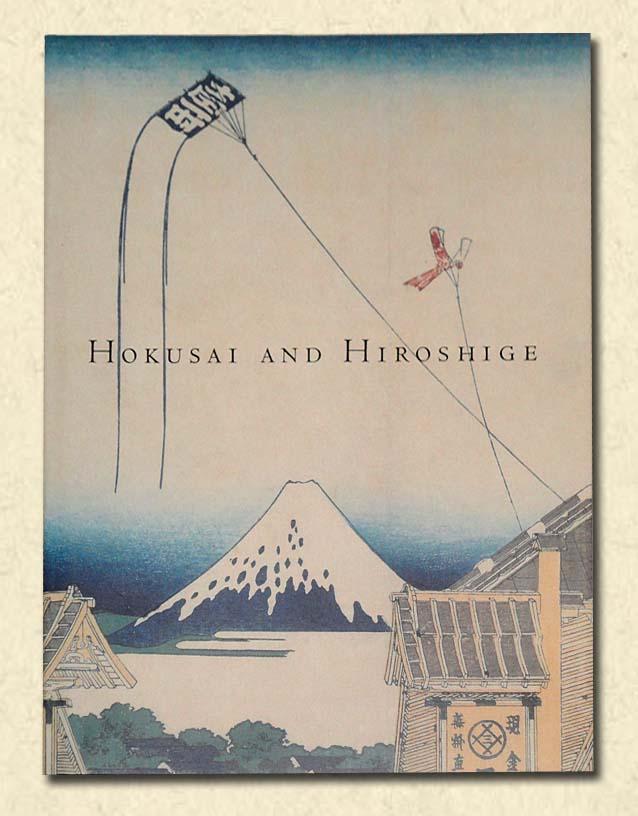
Hokusai and Hiroshige Great Japanese Prints from the James A. Michener Collection
Asian Art Museum of San Francisco, 2000.
Quarto hardcover; black boards with silver gilt upper board and spine titling, green endpapers; 270pp., colour illustrations. Minor wear; near fine in like dustwrapper. Exhibition catalogue.
Click here to order

$38
207528
Yamanaka, Norio
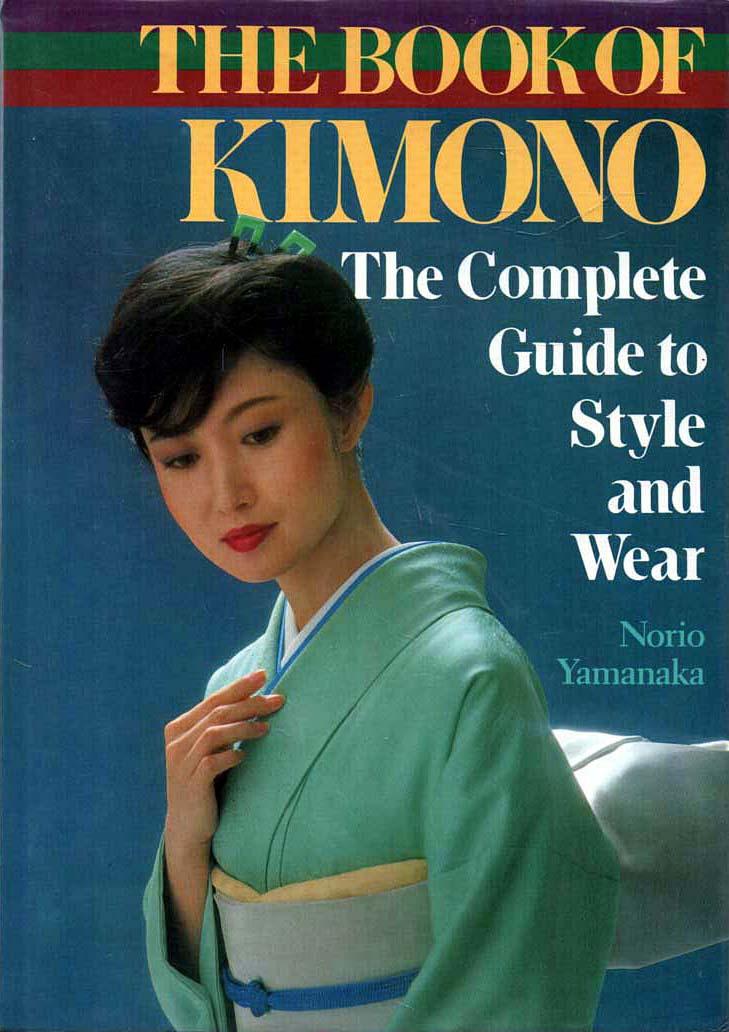
The Book of the Kimono The Complete Guide to Style and Wear
Kodansha International, New York NY, 1982.
Royal octavo; hardcover, with decorative endpapers; 139pp., with many full-colour and monochrome illustrations. Minor wear; some mild spotting to the text block top edge and preliminaries. Price-clipped dustwrapper is lightly rubbed and edgeworn; now professionally protected by superior non-adhesive polypropylene film. Near fine. Whether for women or men, all kimono are cut and sewn essentially from a single pattern, but a number of variations must be considered, depending on the occasion. Guidelines are given to making these choices, and the way to dress in a kimono, from the preliminaries to tying the bustle sash, is described in detail and fully illustrated. For women, there are formal kimono, obi and accessories, and the lightweight summer yukata; for men, the yukata and the ceremonial ensemble of kimono, haori coat and hakama skirt. Children's kimono for festive events are also described. Kimono fashions have evolved over the centuries in response to varied influences. Today modern innovations are making the wearing of kimono at home and elsewhere an attractive alternative to Western garments. These are included here, along with a discussion of aesthetics, the history of the kimono, and the meaning that kimono culture can have for wearers and admirers throughout the world.
Click here to order

$35